The housing industry is consolidating at breakneck speed. Major mortgage lenders are buying real estate portals. National brokerages are merging to create billion-dollar entities. AI integrations are changing how consumers discover homes before they ever talk to a local professional.
If you’re an independent real estate agent or mortgage loan officer, you might be wondering: how do I compete with Zillow and other national platforms that seem to have unlimited resources?
Here’s the counterintuitive answer: you don’t try to compete with Zillow by matching their scale. You win by playing a completely different game.
While the giants chase scale and consolidation, they’re creating a vulnerability you can exploit. The same rules that apply to you—advertising platform restrictions, compliance requirements, and the fundamental need to earn consumer trust—apply to them too. And in that reality lies your competitive advantage.
The consolidation wave and what it really means
The headlines are dramatic. Rocket Mortgage acquired Redfin and Mr. Cooper, creating an integrated ecosystem that now touches approximately one in six mortgages in the U.S.—a staggering level of market influence that spans real estate search, mortgage origination, and loan servicing.
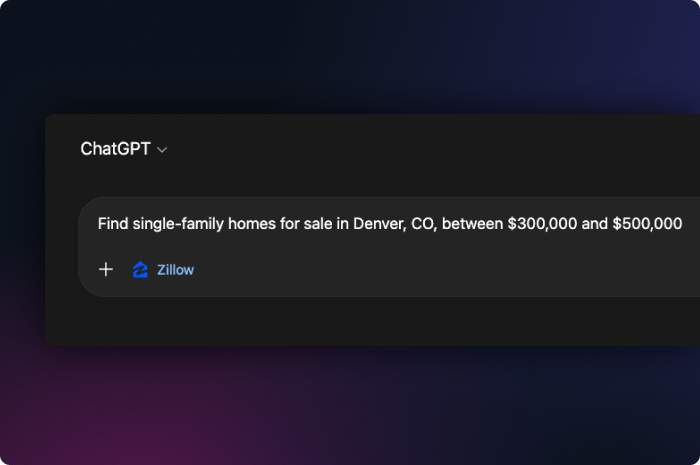
Compass and Anywhere announced a proposed merger that would create a combined enterprise worth roughly $10 billion, bringing together approximately 340,000 real estate professionals under shared technology and branding. Meanwhile, Zillow integrated with ChatGPT, positioning itself as the first stop for AI-powered home search and attempting to intercept buyers before they ever reach a local professional.
This looks intimidating. It feels like the independent professional is being squeezed out of the conversation entirely.
But here’s what the consolidation story misses: these integrated giants still have to play by the same rules you do.
They buy advertising from the same platforms—Google, Meta, TikTok. They face the same compliance requirements under RESPA, TCPA, and fair housing regulations. They compete for attention in the same crowded digital channels where you operate every day. And perhaps most critically, they struggle with the same challenge: earning trust with consumers who are making one of the biggest financial decisions of their lives.
The difference is you have something they can’t buy, merge, or AI-generate: genuine local relationships and first-party connections in your market. That’s not a nice-to-have advantage. It’s your entire defensive strategy.
The trust gap that changes everything
Here’s where the story gets interesting. According to a 2025 survey by realtor.com, 82% of Americans now use AI tools for housing market information. That’s a massive adoption rate that happened remarkably fast.
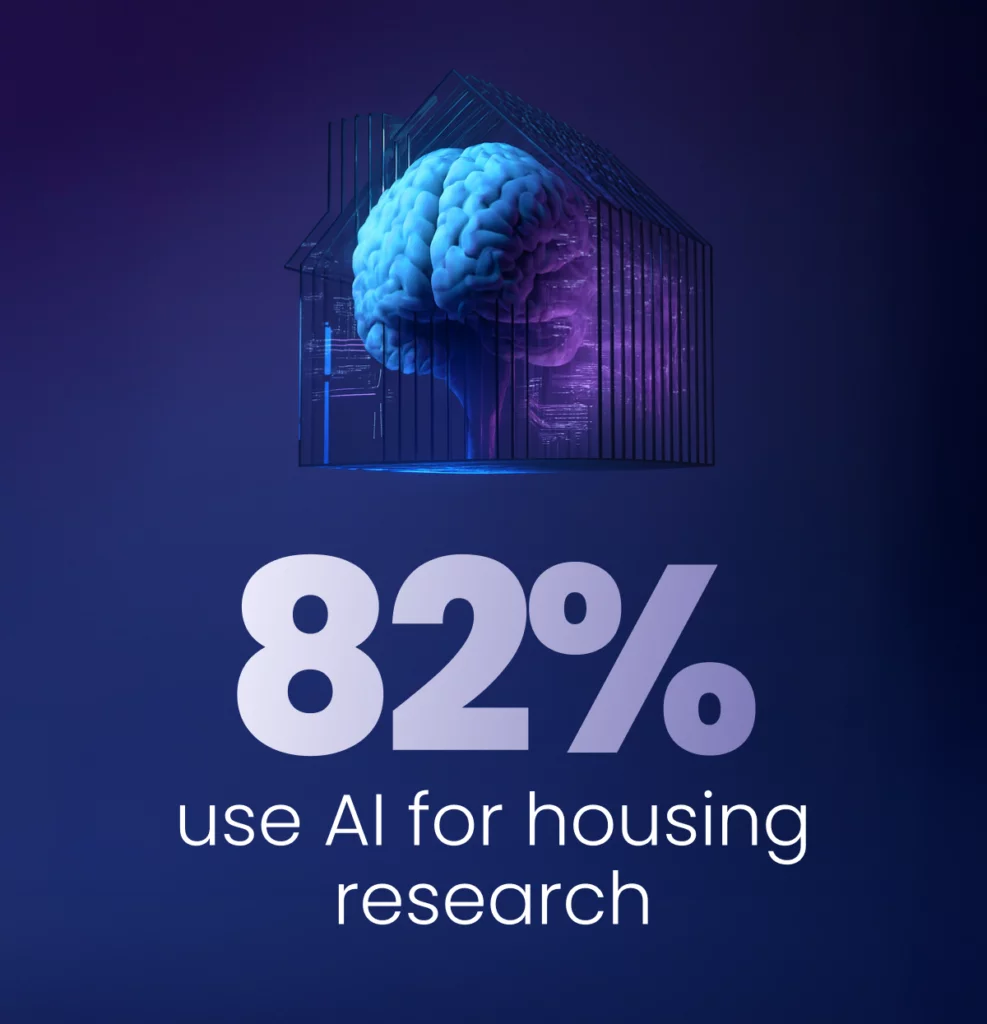
You might read that statistic and feel discouraged. If four out of five consumers are turning to AI for answers, what role is left for the local professional?
But the same survey reveals something the consolidation narrative ignores: when asked which source of housing information they trust most, 62% of consumers chose real estate agents—ahead of AI tools, social media, traditional media, and even friends and family.
Let that sink in. Consumers are using AI and national platforms for information, but they trust you more.

Will AI replace real estate agents? Why the 1% trust gap matters more than you think
This gap between usage and trust is your opportunity. National platforms are optimized for information delivery at scale. You’re optimized for the one thing they can’t replicate: trusted local guidance through a complex, high-stakes transaction.
The consolidators are betting that if they own enough of the discovery process—if they can be where the consumer starts their search—they can gradually replace the local professional. They’re building technology to make the process feel seamless and automated, reducing friction at every step.
But housing transactions aren’t like ordering a product online. Information answers questions. Trust closes transactions. And trust is built through consistent local presence, proven track records in your specific market, and the ability to provide context that no algorithm can match.
When mortgage rates shift, you understand what that means for affordability in your zip code specifically. When a neighborhood’s schools change, you know the implications for buyer demand before it shows up in any dataset. When a buyer gets cold feet, you have the relationship to guide them through the decision.
These aren’t features you can automate or consolidate. They’re the result of being genuinely local in a way that national platforms, by definition, cannot be.
How to compete with Zillow: Build what they can’t replicate
So how do you compete with Zillow and other major platforms? You build something they fundamentally cannot: a proprietary local channel based on first-party relationships.
Think about what the major platforms actually control. They own massive databases of property information. They have sophisticated AI for matching buyers to listings. They can deploy enormous advertising budgets to stay top-of-mind.
But here’s what they don’t control:
- The agent-loan officer relationship that drives your local market.
- The referral networks you’ve built over years.
- The repeat and sphere-of-influence business that comes from genuine community connection.
- The ability to partner with other local professionals to co-market in ways that create shared value for your customers.
This is where the defense becomes offense. Instead of trying to match the advertising budgets of national platforms, you build marketing channels they can’t access.
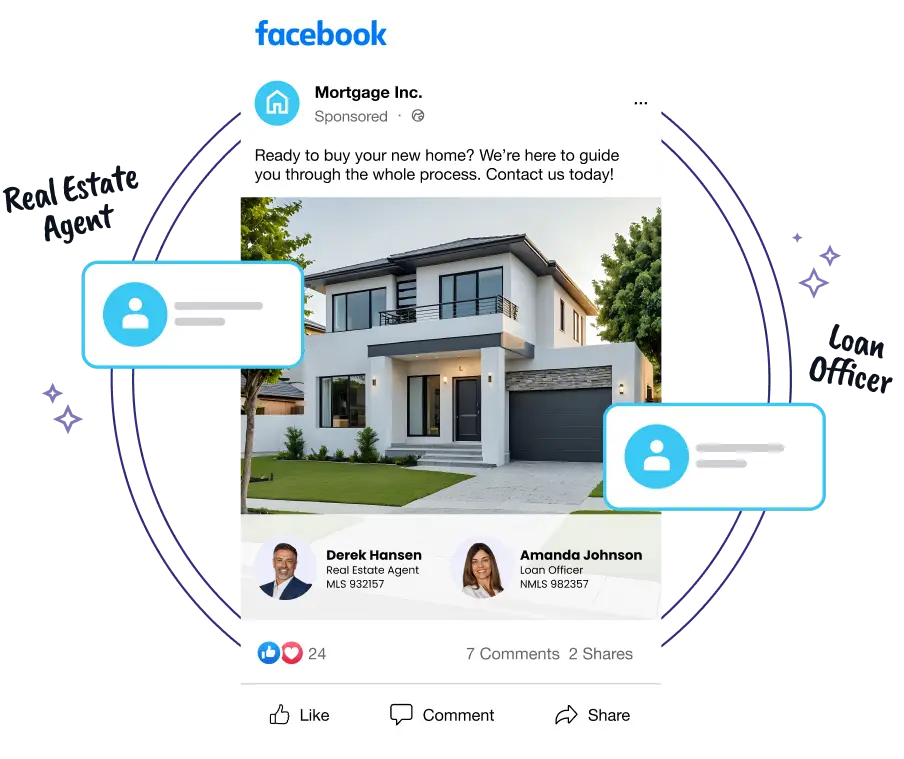
When you partner with a local loan officer to co-market—sharing costs, sharing leads, and providing a more coordinated experience for your shared customers—you’re creating a value proposition that the one-size-fits-all national platforms struggle to match.
When you build first-party audiences through consistent local content and community presence, you’re controlling the relationship in a way that doesn’t depend on rented attention from portals or search algorithms.
At Evocalize, we work with tens of thousands of agents and loan officers every month, and we’ve seen this dynamic play out clearly. The professionals who treat local marketing as a strategic priority—not just as a tactic—are the ones maintaining and growing their businesses even as consolidation accelerates around them. They’re using tools that make sophisticated multi-channel marketing accessible without requiring deep technical expertise, but they’re applying those tools to a fundamentally local strategy.
The national platforms are optimizing for maximum reach. You’re optimizing for maximum relevance in your specific market.
The real competition isn’t what you think
When you ask “how do I compete with Zillow or other major platforms,” you’re actually asking the wrong question. You’re not competing for the same customers in the same way.
The platforms are competing to be the starting point for housing search. You’re competing to be the trusted advisor who turns interest into closed transactions.
Those are fundamentally different businesses with different economics. And yours is more defensible.
Here’s what to start today:
Build a co-marketing partnership. Find one loan officer or one real estate agent in your market and launch a shared campaign. Share the cost, share the leads, and create a coordinated experience your customers can’t get from a national platform. This single partnership becomes a proprietary channel that Zillow and Rocket can’t replicate in your market.
Own your first-party data. Stop renting all your attention from portals and algorithms. Start building an audience you control—whether that’s an email list, a text subscriber base, or a social media following that actually engages with your local content. Every person who opts in to hear from you directly is one less person you’re dependent on national platforms to reach.
Show up consistently in your local market. The consolidators will outspend you on national awareness. You don’t need national awareness. You need to be the obvious choice in your zip code. That means consistent content, consistent presence, and consistent value for the specific communities you serve.
The consolidation wave will continue. More mergers will happen. More AI features will launch.
None of that changes what you already know: housing transactions close because of trusted relationships, local expertise, and guidance through complexity. The platforms are building technology. You’re building trust.
Your competitive advantage isn’t about having the biggest budget. It’s about being the professional that buyers and sellers in your market think of first when they’re ready to make a move.
That’s not something you build overnight. But you can start building it today.