You’ve heard it at conferences, in brokerage meetings, and across agent forums. Someone brings up lead generation and another agent says it plainly: “I don’t buy leads.” It lands with finality, like the conversation is over.
But the conversation is just beginning. When real estate agents don’t buy leads, they’re not rejecting marketing. Most of them are actively spending money to grow their business. What they’re rejecting is a specific kind of experience — one that left them feeling dependent, surprised, and like they got very little in return.
That distinction matters enormously for anyone leading a brokerage, running marketing for a real estate organization, or building technology for agents. Understanding what’s actually behind that statement changes how you support your agents, how you talk to them about digital marketing, and how you build tools they’ll actually use.

The statement is a reaction, not a philosophy
“I don’t buy leads” is not a belief system. It’s scar tissue.
It’s what happens after an agent pays a platform for a year and closes little to nothing. Or when the same lead they received was simultaneously sent to five other agents in their zip code. Or when a platform changed its pricing model mid-contract and the agent had no recourse.
According to the National Association of Realtors, online lead conversion rates typically fall between 0.4% and 1.2%. That gap between expectation and reality is exactly where the frustration lives. Agents paid for a promise and got a probability — and nobody warned them ahead of time.
The language reflects something real: a loss of control, a lack of transparency, and a platform relationship that felt extractive rather than supportive. The skepticism is entirely earned.

Why real estate agents don’t buy leads — and what they mean instead
Listen carefully to what agents say alongside “I don’t buy leads,” and patterns emerge fast.
“I invest in my sphere.” “I generate my own business.” “I’m done paying for someone else’s audience.”
These all point to the same core value: ownership. Agents who push back on third-party leads aren’t rejecting the idea of marketing. They’re rejecting the idea of renting access to buyers who were never really theirs to begin with.
The lead portal model sells the bottom of the funnel. The platform keeps everything above it — the traffic, the repeat visitors, the retargeting audiences, and the brand trust built over thousands of impressions. The agent gets a contact. The platform keeps the relationship.
That’s the source of the “renting your pipeline” frustration agents talk about so openly among themselves. And it’s why agents who’ve been through it are reluctant to go back.

Three things agents are actually telling you they want
When you strip away the frustration, three consistent themes emerge from agents who say they don’t buy leads. These aren’t fringe opinions — they’re widely shared, and they should directly inform how brokerages and marketing teams engage their agents.
Ownership. Agents want to own their pipeline, their audience, and their brand presence. They want marketing that builds something — an audience they can return to, a local presence that compounds, data that belongs to them. The fear of platform dependency is real. When a third party controls the rules and the relationship, agents feel replaceable.
Predictability. The feast-or-famine nature of third-party leads creates real stress. Agents want systems that produce consistent results over time, not volatile lead flow that fluctuates with algorithms or contract changes. Marketing that gets smarter the longer it runs is far more appealing than a vendor relationship that resets every billing cycle.
Marketing that makes them look stronger. This one is consistently underestimated. Agents aren’t just looking for buyers and sellers — they’re building a professional reputation. They want their marketing to reinforce their expertise and local authority. When an agent runs campaigns in their own market, with their own branding and messaging, that’s a fundamentally different experience than appearing as one option among many on a shared platform.
The difference between buying outcomes and building demand
This is the reframe that changes everything for agents who are skeptical of digital marketing.
Buying leads from a third-party platform is purchasing a single outcome that someone else created. The moment payments stop, so does the flow. There’s no asset left behind, no audience that carries forward, no brand equity accumulated in the market.
Building demand looks different. An agent who runs their own digital marketing — across Google, Facebook, Instagram, and other channels — creates awareness in their local market, drives traffic to their own landing pages, and builds retargeting audiences they can return to over time. Leads become one measurable output of a system that’s always running and always improving. The longer it runs, the better it performs.
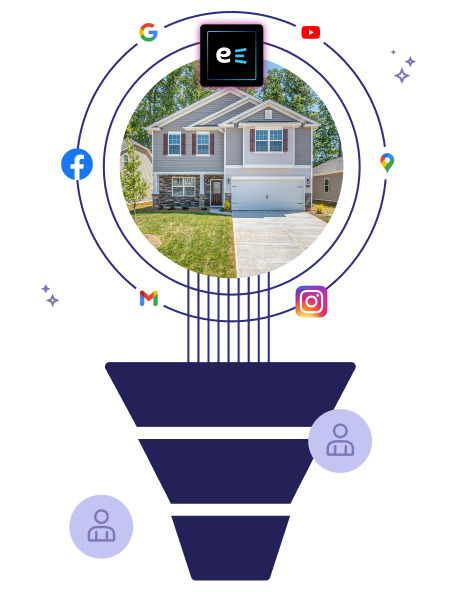
Top-producing agents who use tools like Evocalize’s BrandBoost, for example, aren’t running those programs because they need leads tomorrow. They run them because local awareness compounds. Every impression, every click, every retargeted visitor reinforces their presence in the market. Business starts showing up even when nobody fills out a form that day.
Evocalize takes this approach with our full platform: instead of connecting agents to shared lead pools, we give agents and brokerages the tools to run multi-channel digital marketing programs on their own behalf, with AI optimization that gets smarter over time. The leads are exclusive, first-party, and the result of a system the agent controls — not one they’re borrowing access to.
That’s the operational difference between buying an outcome and building an asset.
What this means for brokerages and marketing leaders
If agents in your organization are saying they don’t buy leads, take that seriously. They’re telling you something important about their experience, their values, and what they actually need from a marketing investment.
Talk about ownership. Talk about consistency. Talk about marketing that builds their brand rather than making them interchangeable with every other agent in the market. Lead with the asset, not the outcome.
The agents who say they don’t buy leads have often thought hardest about their business model. They’ve moved past chasing volume and started thinking about building something sustainable. The right marketing technology speaks directly to that instinct — and when it does, resistance turns into adoption, and adoption turns into results.
The phrase “I don’t buy leads” isn’t a dead end. It’s an opening. It’s an agent telling you exactly what they value: control, consistency, and a marketing approach that respects their role in the relationship. That’s not a hard problem to solve — as long as you’re listening to what they’re actually saying.