How to build a mortgage lead generation engine to attract, capture, and convert your own home loan leads
The most reliable way to generate mortgage leads is to own your pipeline instead of renting it from a portal. Drive targeted traffic with paid ads on Google, Facebook, Instagram and YouTube, capture it on dedicated landing pages with retargeting, and automate follow-up by email, SMS and AI so more leads turn into closed loans.
Introduction
In the digital age, mortgage lead generation has become one of the most powerful business models in real estate, mortgage lending, and financial services. Platforms like Zillow, Realtor.com, and Redfin don’t just provide home listings—they operate as lead generation portals, selling high-intent consumer leads to agents, brokers, and lenders.
If you’ve ever thought, “I wish I could generate home loan leads like that,” this is your step-by-step guide to do just that. In this ultimate guide to mortgage lead generation for real estate and mortgage, you will learn how to:
✅ Drive targeted traffic using paid advertising on Google, Facebook, Instagram, YouTube, and other digital platforms
✅ Capture & nurture leads using high-converting landing pages, retargeting pixels, and behavioral tracking
✅ Automate follow-ups using email, SMS, and AI-powered marketing funnels to convert them into closed deals
Now, let’s get started.
Key Takeaways
- Lead portals earn their money by selling high-intent consumer leads, so owning your own lead generation reduces dependence on them.
- Paid advertising on Google, Facebook, Instagram and YouTube drives targeted traffic to your own pages.
- Landing pages, retargeting pixels and behavioral tracking capture and nurture those leads.
- Email, SMS and AI-powered follow-up turn captured leads into closed deals.
- Compliance and risk management are part of the system from the start, not an afterthought.
Chapter 1: Understanding Lead Generation Portals
What is a lead generation portal?
A lead generation portal is an online marketplace designed to match buyers/sellers with providers of products/services. They all do the basics:
- Attract potential buyers or sellers using digital marketing
- Capture their contact information through landing pages and forms
- Nurture & qualify them with automated marketing
- Monetize leads by selling or closing them into deals
Unlike traditional advertising, a lead gen portal works 24/7, collecting and warming up leads without manual effort.
The Zillow business model: A case study
Zillow is one of the most successful real estate marketplace lead portals. Their model works as follows:
- They attract visitors through SEO, paid ads, and MLS listings
- They track user activity (saved homes, searches, browsing behavior)
- They convert visitors into leads with gated content & forced registration
- They sell those leads to real estate agents, loan officers, and others for a premium in various ways
They attract housing-related audiences and monetize that audience in a lot of creative ways!
Breaking down the lead generation funnel
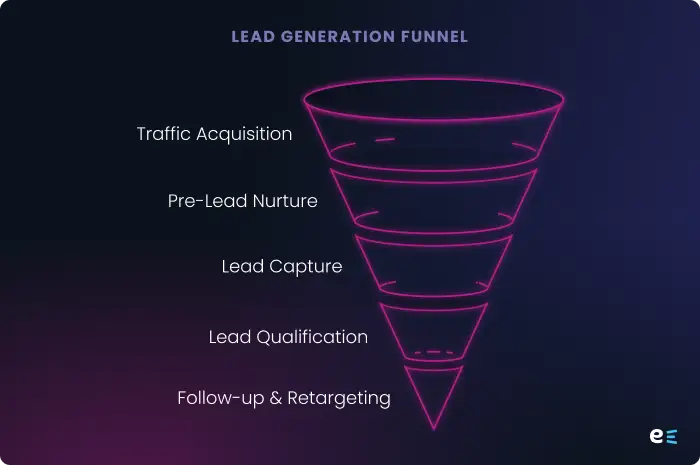
Every successful portal follows this framework:
1️⃣ Traffic Acquisition: Paid and organic methods drive visitors to the site
2️⃣ Pre-Lead Nurture: Visitor behavior is tracked (home searches, clicks, favorites)
3️⃣ Lead Capture: Visitors become leads by entering their info into forms on landing pages
4️⃣ Lead Qualification: Leads are scored and segmented based on activity
5️⃣ Follow-Up & Retargeting: Leads are assigned and nurtured across various channels, typically with automated systems, to keep them engaged until they’re ready to be sold or to purchase
Your goal is to create a version of this model for yourself, so you no longer rely on and pay a premium to a portal for your leads.
Chapter 2: How to Generate Mortgage Leads — Digital Marketing Strategies for Loan Officers and Real Estate Agents
In the world of mortgage lead generation, traffic is king. Without a steady stream of potential customers visiting your platform, you have no home loan leads to capture, nurture, or convert. The most effective way to drive high-quality traffic at scale is through paid digital advertising across multiple platforms. Organic traffic can take years to build, but paid traffic delivers instant visibility to your target audience — and for loan officers, that visibility directly translates to more leads and closed loans.
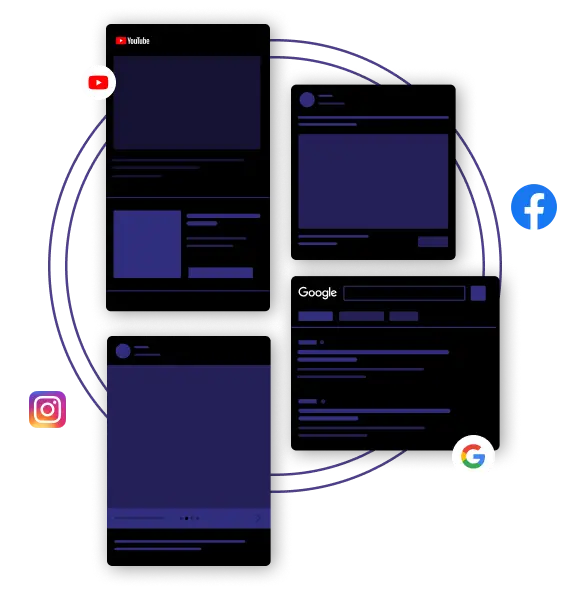
The best way to generate mortgage leads online is through a multi-channel paid advertising strategy. Paid acquisition marketing leverages Google, Facebook, Instagram, YouTube, TikTok, and other platforms to drive qualified leads to your landing pages. However, successful campaigns require precise targeting, compelling creative, and strategic bidding to ensure you’re attracting the right users at the lowest cost per acquisition (CPA). Let’s break down how to structure a high-performance acquisition marketing strategy that fuels your lead generation portal.

Google Ads: The foundation of intent-driven traffic
Google Ads is one of the most powerful tools for lead generation because it captures users who are actively searching for services you provide. Google’s vast network includes Search, Display, Performance Max, and YouTube ads, allowing you to target potential leads at different stages of the buying journey.
GOOGLE SEARCH ADS
Search Ads appear at the top of Google’s search results when users enter queries like:
- “Homes for sale in Washington Park”
- “Best mortgage rates today”
- “Find a real estate agent in Seattle”
To maximize results, follow these best practices:
✅ Target high-intent keywords – Focus on searches that indicate strong buying interest.
✅ Use exact match and phrase match targeting – Reduce wasted spend on irrelevant searches.
✅ Optimize ad copy with strong CTAs – Use persuasive language like “Get Instant Access” or “See Listings Now”.
✅ Leverage ad extensions – Add call buttons, location info, and additional links to improve visibility.
GOOGLE DISPLAY
Beyond search, Google’s Display Network allows you to show visual ads on millions of websites.
- Use high-quality visuals that stand out on news sites and blogs.
- Retarget past visitors to bring back users who didn’t convert the first time.
- A/B test different creatives to determine the best-performing ad formats.

Facebook & Instagram ads: Social proof and audience targeting
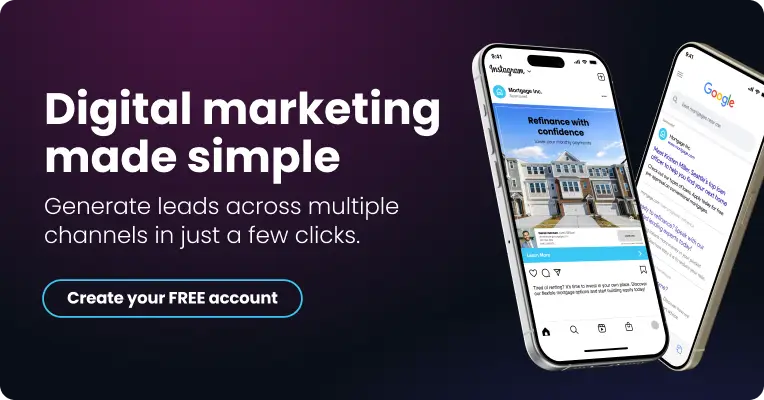
Social media platforms provide strong audience targeting capabilities, allowing you to reach homebuyers, sellers, and mortgage seekers with a high level of precision. Facebook and Instagram Ads are ideal for engaging potential leads with visually compelling content.
Best practices for Facebook & Instagram lead generation:
✅ Run Carousel Ads – Showcase multiple properties or services in a single ad.
✅ Lead Form Ads – Collect user info without requiring them to leave Facebook or Instagram.
✅ Optimize for Mobile – Over 90% of Facebook traffic comes from mobile devices.

YouTube ads: The power of video marketing
YouTube is the second-largest search engine in the world, making it a goldmine for lead generation. Video content builds trust and engagement, allowing you to demonstrate value more effectively than static ads.
Effective YouTube ad strategies:
- Run in-stream ads that play before home-related videos.
- Use storytelling to build emotional connections (e.g., “Meet Sarah, a first-time homebuyer”).
- Include strong CTAs that direct users to your lead capture page.
- Retarget viewers who watched at least 50% of your video.

TikTok & emerging platforms: Reaching new audiences
TikTok’s explosive growth makes it an untapped opportunity to generate mortgage leads and real estate lead generation. The platform’s short-form, engaging videos can drive massive visibility for your brand.
How to use TikTok ads for lead generation:
✅ Create educational content – Homebuying tips, mortgage myths, market trends.
✅ Run Spark Ads – Boost your best-performing organic videos.
✅ Use interactive lead forms – Allow users to sign up without leaving TikTok.
Retargeting: The secret to higher conversions
Most users won’t convert on their first visit. Retargeting ads help bring them back by reminding them of their interest.
- Facebook & Instagram Retargeting – Show ads to users who visited your site but didn’t fill out a form.
- Google Display Retargeting – Serve banner ads to past visitors across different websites.
- YouTube Retargeting – Re-engage viewers who watched your videos.
Pro Tip:
Install the Facebook Pixel and Google Tag Manager to track and optimize every visitor interaction.
Your acquisition marketing strategy should be data-driven, leveraging multiple platforms to attract and convert the highest quality leads. Testing, optimizing, and scaling successful campaigns is the key to building a profitable lead generation portal. In the next chapter, we’ll dive into capturing and nurturing these leads effectively.
Chapter 3: Capturing & Nurturing Home Loan Leads
Generating traffic is only half the battle—you still need to capture, nurture, and convert leads into clients. For loan officers especially, having a reliable system to capture and work leads is the difference between a predictable pipeline and a feast-or-famine business. Getting leads for loan officers isn’t just about volume — it’s about building a steady flow of qualified borrowers who are ready to act.
A well-optimized lead capture system ensures that visitors don’t just browse your site but take action, providing their contact details so you can engage with them further.
The goal of this chapter is to maximize your conversion rate by leveraging high-performing landing pages, automated follow-ups, and retargeting tactics. By implementing these strategies, you can dramatically increase your closed deal volume and get the most value from your paid traffic campaigns.
Pre-lead nurture: Capturing user behavior before form submission
Even before a user fills out a form, valuable data can be collected based on their browsing behavior. By tracking how users interact with your site, you can create personalized follow-ups that feel relevant and increase the chances of conversion.
How to capture & use pre-lead data:
📌 Track which properties they view and save.
📌 Monitor time spent on listings or specific pages.
📌 Identify patterns in price ranges, locations, and search filters used.
Once you have this data, you can segment visitors into different categories:
- Casual Browsers – Send them educational content about the home buying process.
- Active Shoppers – Offer personalized property recommendations based on past views.
- Ready-to-Buy Leads – Direct them to schedule a call with an agent.
The role of landing pages in lead generation
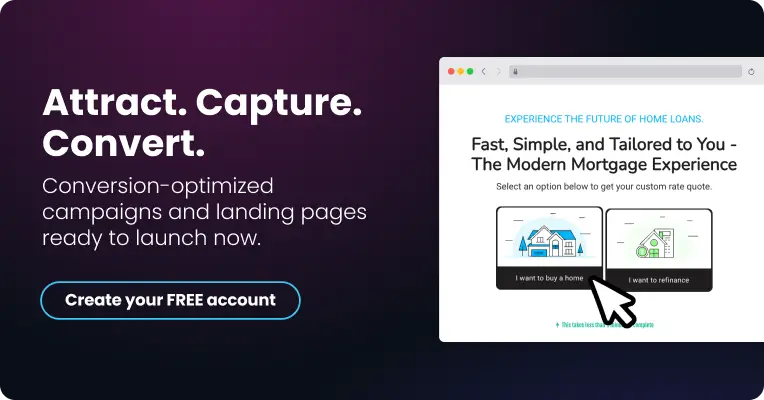
A landing page is a dedicated web page designed to capture visitor information through a lead form. Unlike traditional web pages, landing pages eliminate distractions and guide users toward a single call-to-action (CTA), such as “Get Updated Rates” or “Get Your Free Home Valuation.”
What makes a high-converting landing page?
✅ Clear, attention-grabbing headline – Example: “Find Your Dream Home in [City] Today!”
✅ Compelling subheadline – Reinforce value, e.g., “Exclusive listings updated daily”
✅ Strong Call-to-Action (CTA) – Buttons like “Get Instant Access” or “See Listings Now”
✅ Simple & mobile-optimized form – Reduce friction by asking only for essential info
✅ Trust signals & social proof – Showcase testimonials, reviews, or agent credibility stats
✅ Urgency & scarcity – Example: “Rate increases are coming!”
Pro Tip:
A/B test different headlines, CTAs, and form fields to optimize conversion rates.
Lead forms & the art of data collection
Your lead form is the most critical element of your landing page. It should be simple enough to encourage submissions but detailed enough to collect useful information.
Best practices for high-converting lead forms:
✅ Ask only for essential details – Name, email, and phone number are often enough.
✅ Use multi-step forms – Instead of overwhelming users with too many fields, break it into steps.
✅ Auto-fill where possible – Reduce friction by enabling autofill on mobile devices.
✅ Use conditional logic – Show different form fields based on previous answers.
✅ Offer an incentive – Example: “Get a free mortgage rate quote instantly.”
Pro Tip:
Longer forms can weed out unserious buyers and better qualify those to intend to purchase. The key is to only require information used to qualify the lead.
Automated follow-ups: Turning leads into clients
Once a lead is captured, speed to lead matters. Research shows that leads contacted within 5 minutes are 9x more likely to convert than those contacted after 30 minutes. This is why automation is crucial.
Lead nurturing sequences:
📧 Drip Email Campaigns – Send a sequence of emails educating leads about the market, financing options, or exclusive listings.
📲 SMS & Text Follow-Ups – Text messages have 5x higher response rates than email.
🤖 AI Chatbots & Automation – Automate lead responses and appointment booking.
EXAMPLE WORKFLOW:
Day 1
Instant SMS confirmation + “Thank you” email with valuable resources
Day 3
Personalized email showcasing listings in their preferred location
Day 7
Follow-up call from an agent to answer questions
Day 14+
Retargeting ads reminding them of what they were initially interested in
Lead scoring: Prioritizing the most valuable leads
Not all leads are created equal. Some are ready to buy immediately, while others are just browsing. Lead scoring helps prioritize your follow-up efforts by assigning a score based on engagement level.
Lead scoring criteria:
📌 Page Views – A lead who viewed 10+ listings is more engaged than someone who visited once
📌 Time on Site – More time spent researching indicates serious intent
📌 Saved Properties & Filters – Indicates a buyer actively looking for options
📌 Response to Emails & Texts – A lead who replies to follow-ups should be prioritized
Pro Tip:
Use a CRM like HubSpot, Salesforce, or Follow Up Boss to automate lead scoring and workflows.
Most visitors don’t convert on their first visit. That’s why retargeting is one of the most effective lead nurturing strategies. By showing personalized ads to users who have already engaged with your website, you dramatically increase your chances of bringing them back to complete their lead submission and get them closer to making their purchase decision.
Chapter 4: Retargeting & Custom Lead Funnels
Generating leads is one thing, but keeping them engaged and moving them toward conversion is an entirely different challenge. Most potential buyers or clients don’t convert on their first visit. In fact, 98% of first-time visitors leave without taking action. Retargeting and custom lead funnels help bring those visitors back, nurture their interest, and guide them toward a conversion.
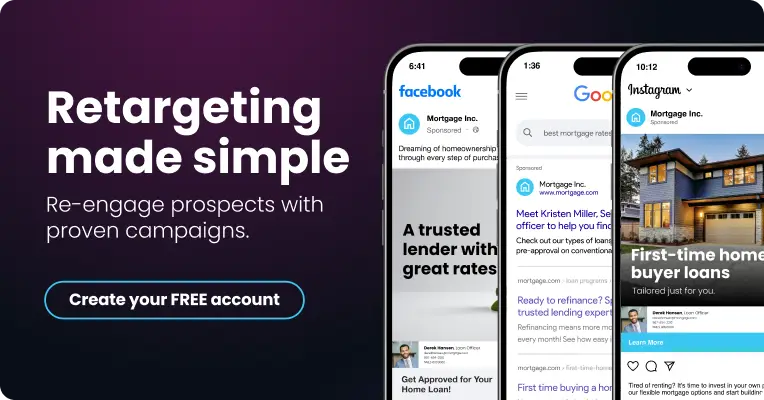
Retargeting leverages digital advertising to reconnect with users who have previously interacted with your website, ads, or content. When paired with a custom lead funnel, this strategy ensures that no lead is left behind, and every potential customer receives personalized messaging and offers tailored to their behavior. This chapter will walk through how to set up effective retargeting campaigns and how to build a powerful lead funnel that maximizes conversions.
Why retargeting is crucial for lead generation
Retargeting works because it keeps your brand top-of-mind and allows you to re-engage potential leads who may have gotten distracted, weren’t ready to commit, or needed additional touchpoints before taking action. Studies show that retargeted visitors are 70% more likely to convert than first-time visitors.
Common reasons why visitors don’t convert on their first visit:
✅ They were browsing casually and weren’t ready to commit.
✅ They needed more information before making a decision.
✅ They got distracted and left before submitting their details.
✅ They weren’t sure if they trusted your brand yet.
Retargeting allows you to reconnect with these users, address their concerns, and guide them toward the next step, while keeping you and your brand top of mind.
Setting up effective retargeting campaigns
There are several platforms you can use to retarget website visitors and leads:
FACEBOOK & INSTAGRAM RETARGETING
Facebook and Instagram offer highly effective retargeting tools that allow you to reach users who have previously engaged with your content or visited your website.
- Website visitors – Show ads to people who visited your site but didn’t convert.
- Engaged users – Retarget users who liked, commented, or shared your posts
- Lead form abandoners – Follow up with users who started filling out a lead form but didn’t complete it
- Custom audiences – Upload a list of past leads and serve them specific retargeting ads.
Pro Tip:
Use dynamic ads to show potential buyers the exact listings they viewed on your website.
GOOGLE DISPLAY & YOUTUBE RETARGETING
Google’s retargeting capabilities allow you to serve highly targeted ads across Google Search, Google Display Network, and YouTube.
- Google Display Network – Reach past visitors on thousands of websites and apps
- YouTube Retargeting – Show video ads to users who previously engaged with your content
- Search Retargeting – Bid higher on Google Search ads for users who have already visited your site.
Pro Tip:
Use Google’s Customer Match feature to target past leads with personalized ads across Google’s network.

The power of custom lead funnels
A lead funnel is a structured process that guides potential leads from awareness to conversion. Instead of a one-size-fits-all approach, custom lead funnels segment users based on their behavior, intent, and engagement level, ensuring that each lead gets the right messaging at the right time.
The 3 stages of a custom lead funnel
STAGE 1: AWARENESS (TOP OF FUNNEL)
At this stage, potential leads are just discovering your brand. Your goal is to educate and capture their interest with valuable content and compelling offers.
✅ Content marketing – Blog posts, educational videos, market insights
✅ Lead magnets – Free homebuyer guides, mortgage calculators, neighborhood reports
✅ Soft lead capture – Minimal info forms (name + email) to get users into your funnel
✅ Engagement ads – Promote content that builds trust and credibility
📌 Example: A potential buyer visits your site and reads a blog about “5 Things to Know Before Buying a Home.” They’re not ready to buy yet, but they’re in research mode.
STAGE 2: CONSIDERATION (MIDDLE OF FUNNEL)
At this stage, leads have shown clear interest and need further nurturing before converting. Your messaging should be more direct, offering solutions to their pain points and addressing their objections.
✅ Retargeting ads – Remind visitors of previously viewed listings or services
✅ Email sequences – Provide additional value with personalized recommendations
✅ Exclusive offers – Early access to listings, free consultations, market reports
✅ Webinar invites – Live Q&A sessions with agents, mortgage advisors, or industry experts
📌 Example: A lead who previously downloaded a homebuyer’s guide is now seeing Facebook ads offering a free consultation with a local agent.

STAGE 3: CONVERSION (BOTTOM OF FUNNEL)
At this stage, leads are ready to make a decision. Your goal is to give them a final nudge and remove any remaining friction.
✅ One-on-one consultations – Encourage direct interaction with agents or lenders
✅ Personalized video messages – Humanize your brand with direct video outreach
✅ Limited-time offers – Create urgency with time-sensitive deals
✅ Follow-up calls & SMS – High-intent leads should receive immediate outreach.
📌 Example: A lead who has engaged multiple times with your site and emails; receives a call from an agent offering a VIP home tour.
Advanced funnel optimization strategies
To maximize conversions, continually refine your lead funnel by:
- Tracking key metrics – Monitor click-through rates (CTR), conversion rates, and lead engagement.
- A/B testing messaging – Test different headlines, CTAs, and ad creatives.
- Segmenting leads by behavior – Personalize messaging based on how engaged a lead is.
- Leveraging AI & automation – Use AI chatbots and automated workflows to nurture leads 24/7.
Example: A retargeting funnel that works
Let’s take an example of how a real estate lead funnel could look in action:
1️⃣ A potential buyer searches Google for “homes for sale in Austin.” They click on your Google ad and visit your website.
2️⃣ They browse a few listings but don’t fill out a form before leaving the site.
3️⃣ They see a Facebook retargeting ad featuring the homes they viewed, encouraging them to “Get Instant Access to More Listings.”
4️⃣ They click the ad and enter their email to receive new listings in their price range.
5️⃣ They receive an email sequence with valuable insights on market trends, financing options, and exclusive property tours.
6️⃣ After a few days, they get a personalized SMS offering a 15-minute consultation with a local agent.
7️⃣ They book a call and eventually schedule a showing, converting into a client.
By combining strategic retargeting campaigns with a well-structured lead funnel, you create a system that continually moves leads through the buying journey. Instead of relying on a one-time interaction, you build multiple touchpoints that increase conversions, reduce drop-offs, and maximize revenue.

Chapter 5: Turning mortgage leads into revenue
As someone who counts on leads to grow their business, your ability to convert leads into buyers is the foundation of your success. But not all leads are created equal—some are ready to apply for a mortgage today, while others need nurturing before making a decision. Understanding how to segment, score, and distribute leads efficiently can significantly impact your revenue.
In this chapter, we’ll explore how you can turn leads into buyers by implementing lead scoring strategies, automated workflows, and CRM tools. Whether you’re working with purchased leads or generating your own, optimizing your lead management process will ensure higher conversion rates and a more predictable pipeline of closed deals.
The power of lead management for loan officers
Many loan officers focus on collecting as many leads as possible, but quantity alone won’t drive revenue. The question isn’t just how to get leads as a loan officer — it’s how to get the right leads and convert them efficiently into funded loans. A well-structured lead management strategy ensures that you’re not just gathering contacts but identifying and prioritizing high-quality prospects.
Why does this matter? 80% of leads never convert due to poor follow-up and lack of nurturing. However, with the right approach, you can convert more leads into funded loans or purchased homes, maximizing the value of every potential buyer in your system.
Lead scoring and segmentation strategies
Not all leads are ready to move forward immediately, so categorizing them based on their readiness to purchase will allow you to allocate time and resources efficiently. Lead scoring assigns a value to each lead based on their behavior, level of engagement, and financial readiness.
How to score your leads effectively:
✅ High-intent leads (Hot leads)
- Submitted a loan pre-qualification form
- Scheduled a call or consultation
- Asked specific questions about interest rates or loan programs
- Engaged with multiple emails, ads, or texts
✅ Medium-intent leads (Warm leads)
- Visited your website and browsed mortgage calculators
- Downloaded home-buying guides
- Clicked on an ad but did not submit a form
- Attended a webinar about mortgage financing
✅ Low-intent leads (Cold leads)
- Signed up for general real estate newsletters
- Browsed listings but showed no signs of mortgage interest
- Engaged with a social media post but took no further action
Pro Tip:
Use CRM software to automate lead scoring and trigger different follow-up actions based on the lead’s score.
Automating lead distribution & nurturing workflows
Once leads are categorized, they must be routed to the right workflow to ensure that each one gets the attention it needs. Automation allows you to nurture cold leads without wasting your valuable time while ensuring that hot leads receive immediate outreach.
AUTOMATED LEAD DISTRIBUTION
Loan officers handling large lead volumes benefit from automated lead routing to ensure high-quality prospects receive instant attention.
✅ Direct hot leads to immediate outreach – Set up workflows that send high-intent leads directly to your phone, email, or CRM dashboard for immediate follow-up.
✅ Assign leads to different loan programs – Automatically sort leads into categories like first-time buyers, refinance candidates, VA/FHA loan prospects, and self-employed borrowers.
✅ Connect to partner agents – Route relevant leads to real estate agents for collaboration and referral opportunities.

AUTOMATED NURTURE SEQUENCES FOR WARM & COLD LEADS
For leads that need more time before applying, nurture them with automated campaigns that keep them engaged until they’re ready to convert.
📧 Email sequences – Provide educational content, mortgage rate updates, and testimonials from past clients.
📲 Text reminders – Automate follow-ups with helpful messages, such as “Did you have any questions about mortgage options?”
📹 Personalized video outreach – Send short videos explaining loan options or addressing common concerns.
Pro Tip:
Leads nurtured over time are 47% more likely to convert than those left unattended.
CRM & automation tools for loan management
A robust Customer Relationship Management (CRM) system is essential for tracking leads, managing communications, and automating workflows. The right CRM can save hours per week while increasing conversion rates.
Top CRM tools for loan officers:
✅ Total Expert – A powerful CRM designed for lenders with lead nurture automation.
✅ HubSpot – A flexible CRM with great email automation for mortgage marketing.
✅ Follow Up Boss – Popular among real estate and mortgage professionals for tracking lead engagement.
Pro Tip:
Your CRM should integrate with your loan origination system (LOS), email platform, and social media ads for seamless lead tracking.
Example: How a loan officer could scale revenue with lead automation
Let’s explore how a top-performing loan officer could turn cold leads into consistent mortgage applications using automation.
Scenario:
A loan officer is struggling to convert online leads. While they were generating hundreds of leads per month, their conversion rate remained below 5%.
Solution:
1️⃣ Implemented a lead scoring system to prioritize highly engaged prospects
2️⃣ Set up automated email & SMS sequences to nurture warm and cold leads
3️⃣ Used retargeting ads on Facebook & Google to re-engage past visitors
4️⃣ Integrated their CRM with their LOS to seamlessly manage applications
5️⃣ Created a referral partnership with real estate agents to boost warm lead conversions
Common pitfalls in lead conversion & how to avoid them
❌ Delaying follow-up – Hot leads go cold within 30 minutes if not contacted immediately.
❌ Failing to segment leads – Not all leads should receive the same messaging.
❌ Lack of retargeting – Many leads need multiple touchpoints before converting.
❌ Ignoring compliance – Ensure all outreach follows TCPA and RESPA regulations.
Pro Tip:
Speed-to-lead matters! Loan officers who respond within 5 minutes are 9x more likely to convert leads than those who wait.
Your ability to nurture leads effectively will set you apart from competitors. By implementing lead scoring, automation, and a strong CRM strategy, you can ensure that no lead goes to waste while maximizing revenue.
In the next chapter, we’ll explore how to scale your lead generation strategy, leveraging paid traffic, organic growth, and automation to expand your pipeline predictably and efficiently.

Chapter 6: Scaling your mortgage lead generation business
Once you have a solid lead generation and nurturing strategy in place, the next step is scaling your business. Scaling isn’t just about getting more home loan leads—it’s about increasing efficiency, improving conversion rates, and expanding your reach without exponentially increasing your workload. By leveraging automation, advanced data tracking, and strategic partnerships, you can build a predictable and scalable pipeline that consistently generates revenue.
In this chapter, we’ll explore the core strategies for scaling your lead generation business, including paid traffic expansion, system automation, and strategic partnerships. By implementing these tactics, you’ll be able to attract more high-quality leads, optimize your workflow, and increase your overall profitability.
The mindset shift: From lead generation to business expansion
Scaling a lead generation business requires a shift in mindset. Instead of focusing solely on getting more leads, you need to think about how to systematize and optimize every part of your funnel. Growth comes from improving efficiency and automation, allowing you to increase revenue without working longer hours.
Key questions to ask before scaling:
✅ Do I have repeatable systems in place for generating and converting leads?
✅ Are my current lead follow-up processes automated and efficient?
✅ Am I tracking data effectively to improve ad performance and conversion rates?
✅ Do I have a clear monetization model that supports sustainable growth?
If the answer to these questions is yes, you’re ready to start scaling. If not, revisit earlier chapters to refine your systems before investing heavily in expansion.
How to generate mortgage leads online at scale
Scaling starts with expanding your traffic sources while maintaining high-quality leads. The key is diversifying ad channels and increasing efficiency rather than simply increasing ad spend.
GOOGLE ADS EXPANSION STRATEGIES
🚀 Leverage Search and Display campaigns – Use Google’s complementary campaign options to target across Search, YouTube, and other popular websites.
🚀 Increase ad options — Use several options of ad creative, and allow Google’s AI to determine which combination converter at the highest rate.
🚀 Increase budget on high-converting keywords – Use data from your past campaigns to double down on what’s working.
🚀 Use lookalike & retargeting audiences – Target people similar to your best leads and re-engage past visitors.
FACEBOOK & INSTAGRAM ADS EXPANSION STRATEGIES
🚀 Scale winning ad creatives – Take your top-performing ad and test it across different audiences and placements.
🚀 Use dynamic lead ads – Show users personalized ads based on their browsing behavior.
🚀 Expand to Messenger & WhatsApp ads – Allow leads to chat with you directly through Meta’s messaging platforms.
YOUTUBE & TIKTOK ADS FOR LEAD GENERATION
🚀 YouTube video ads – Target homebuyers and refinance candidates with engaging explainer videos.
🚀 TikTok lead gen forms – Capture younger audiences looking for their first home loan through interactive lead forms.
Automating your lead management & nurture systems
Once your lead volume increases, automation is the key to preventing bottlenecks. You don’t want to manually follow up with every lead, which is why automated workflows are essential for scaling.
CRM & LEAD AUTOMATION SYSTEMS
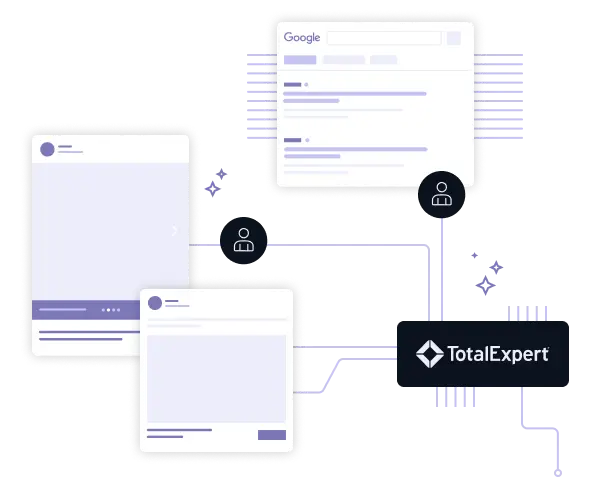
📌 Use a smart CRM – Platforms like Total Expert, HubSpot, or Follow Up Boss to automate lead follow-ups, scoring, and reminders.
📌 Automate email sequences – Send pre-written, behavior-based emails to nurture leads over time.
📌 Implement AI chatbots – Use chatbots to qualify leads and schedule consultations instantly.
📌 Trigger SMS & ringless voicemail drops – Automate personalized messages to increase response rates.
Pro Tip:
Loan officers who use CRM-driven automation convert 3x more leads than those relying on manual follow-ups.

Scaling with strategic partnerships & referral networks
As you grow, referral partnerships become one of the most powerful ways to scale. By aligning with real estate agents, loan officers and others, you can create an even more steady stream of leads.
How to build high-value referral partnerships:
✅ Collaborate with real estate agents – Offer co-branded marketing materials to help agents send leads your way.
✅ Partner with financial planners – Many homebuyers consult financial advisors before securing a mortgage.
✅ Join local business groups & networking events – Face-to-face connections build trust and expand your lead network.
✅ Leverage existing clients for referrals – Automate post-loan follow-ups with requests for referrals.
Pro Tip:
Set up an affiliate program that rewards partners for every qualified lead they send your way.
Data-driven optimization: Scaling smart, not fast
Scaling isn’t just about spending more on ads—it’s about using data to optimize your funnel and increase ROI.
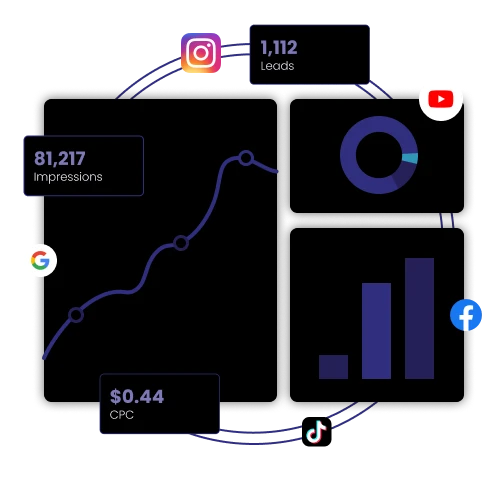
Key metrics to track when scaling:
📌 Cost Per Lead (CPL) – Are you keeping acquisition costs low while increasing volume?
📌 Lead-to-application rate – What percentage of leads actually submit a loan application?
📌 Loan close rate – How many leads turn into funded loans?
📌 Lifetime Value (LTV) of a customer – Are you maximizing revenue per client with repeat business and referrals?
A/B testing for continuous improvement:
✅ Test different landing pages – Optimize form fields, headlines, and call-to-actions for higher conversions.
✅ Refine lead scoring criteria – Adjust scoring models to focus on higher-intent leads.
✅ Experiment with different follow-up cadences – Test whether a 5-minute vs. 30-minute response time increases conversion rates.
Pro Tip:
Use tools like Google Analytics, Facebook Pixel, and CRM reports to refine your scaling strategy in real time.
Example: How a loan officer scaled from 20 to 100 loans per month
Let’s examine an example of how a loan officer could scale their lead generation business.
Scenario:
A loan officer was generating leads but struggled with follow-up inefficiencies and inconsistent conversion rates.
Scaling Strategy:
1️⃣ Implemented AI-driven lead scoring to prioritize high-value prospects.
2️⃣ Automated email & SMS sequences for lead nurturing.
3️⃣ Expanded Google Ads budget strategically leveraging Google’s AI-based features.
4️⃣ Developed real estate referral partnerships for a steady lead flow.
5️⃣ Used Facebook retargeting ads to convert cold leads into applications.
Final thoughts on scaling your lead gen business
Scaling a lead generation business doesn’t mean working harder—it means working smarter. By expanding your traffic sources, automating lead follow-ups, leveraging partnerships, and optimizing conversion rates, you can build a scalable, high-revenue mortgage lead pipeline.
In the next chapter, we’ll dive into compliance, risk management, and ensuring your lead generation strategies follow industry regulations to protect your business and maintain credibility.
Chapter 7: Compliance & risk management
Scaling your lead generation business is exciting, but without the right compliance and risk management strategies, you could face legal challenges, financial penalties, or reputational damage. Lead generation in the mortgage and financial services industries is subject to strict regulations to protect consumers from misleading practices, privacy violations, and unwanted solicitations.
In this chapter, we’ll explore compliance requirements, risk management strategies, and best practices for ensuring your lead generation efforts align with industry laws. By following these guidelines, you can grow your business while maintaining trust and credibility with both clients and regulatory bodies.

Understanding compliance in lead generation
Mortgage lending, real estate, and financial services are heavily regulated industries. Any business that collects, sells, or contacts leads must adhere to federal and state laws governing consumer privacy and marketing practices.
Failure to comply with these laws can result in hefty fines, legal battles, and even the shutdown of your business. Below are the key regulations every mortgage professional and lead generator must understand:
Key compliance laws to know:
✅ Telephone Consumer Protection Act (TCPA): Restricts telemarketing calls, auto-dialing, and SMS marketing without prior consent.
✅ Real Estate Settlement Procedures Act (RESPA): Prohibits referral fees or kickbacks that violate fair business practices.
✅ Gramm-Leach-Bliley Act (GLBA): Requires financial institutions to protect consumer data and privacy.
✅ General Data Protection Regulation (GDPR) & California Consumer Privacy Act (CCPA): Protect consumer rights by requiring businesses to obtain and manage data lawfully.
✅ CAN-SPAM Act: Regulates email marketing to prevent spam and deceptive email practices.
Pro Tip:
Make sure your team and marketing vendors are trained in these regulations to avoid accidental violations.
Implementing risk management strategies
Regulatory risks, data breaches, and fraudulent lead practices can derail your business growth if you’re not prepared. Risk management ensures you have safeguards in place to minimize exposure and protect consumer data.
Best practices for risk management:
✅ Obtain explicit consumer consent – Ensure leads opt-in before receiving marketing emails, calls, or texts.
✅ Keep detailed records – Store proof of consumer consent and interactions in a CRM.
✅ Use secure data handling procedures – Encrypt data and restrict access to protect against breaches.
✅ Verify lead quality – Avoid purchasing leads from questionable sources that might use fraudulent tactics.
✅ Stay up-to-date on compliance laws – Regulations change; monitor updates to avoid fines.
Pro Tip:
Set up audit trails in your CRM to track consent and lead interactions, making compliance easier to manage.

TCPA & SMS marketing compliance
Text messaging is one of the most effective lead nurturing tools, but it comes with strict compliance requirements. The TCPA mandates that businesses must receive express written consent before sending marketing texts or using auto-dialers.
How to ensure TCPA compliance:
📌 Require an opt-in before sending messages – Include clear language in your lead forms asking for permission.
📌 Include opt-out instructions in every message – Allow recipients to unsubscribe easily.
📌 Maintain an internal Do-Not-Call (DNC) list – Keep track of leads who opt out.
📌 Time restrictions – Only send messages during reasonable hours (typically between 8 AM – 7PM local time).
Pro Tip:
Include a privacy policy link on your lead forms to build consumer trust and demonstrate compliance.
Data privacy & protection strategies
As data privacy laws become stricter, businesses must take extra precautions to protect consumer information. Mishandling data can lead to legal consequences and loss of consumer trust.
How to protect consumer data:
✅ Use encrypted CRM systems – Securely store lead data with multi-factor authentication.
✅ Limit access to sensitive data – Only grant access to employees who need it.
✅ Clearly communicate your privacy policy – Let users know how their data will be used.
✅ Regularly audit your data security measures – Conduct compliance checks and updates.
✅ Be transparent about third-party data sharing – Inform leads if their data is shared with partners.
Compliance in paid advertising & lead generation
If you run Google, Facebook, or Instagram ads for lead generation, you must comply with platform-specific rules. Advertising platforms have strict policies to prevent misleading financial marketing.
Avoid these common ad violations:
❌ Making unrealistic claims like “Guaranteed Low Mortgage Rates” or “Instant Loan Approval”
❌ Failing to disclose necessary terms and conditions.
❌ Using deceptive ad targeting tactics
Best practices for compliant ads:
📌 Clearly state loan terms & conditions – Be transparent about rates and fees.
📌 Use approved language – Follow guidelines set by Google and Facebook for financial ads.
📌 Target the right audience – Avoid discriminatory targeting that could violate fair lending laws.
📌 Disclose affiliations – If you sell leads, disclose it clearly in your marketing materials.
Pro Tip:
Facebook and Google require pre-approval for financial ads, so submit your ads for review early.

The future of compliance in lead generation for real estate and mortgage
As data privacy regulations continue evolving, businesses must stay proactive in maintaining compliance. Here’s what to expect in the coming years:
📌 Stronger consumer data protection laws – Expect increased scrutiny on data handling.
📌 More AI-driven compliance tools – Platforms will automate regulatory monitoring.
📌 Tighter restrictions on third-party lead sales – Companies will need clearer disclosures about data usage.
Ensuring compliance isn’t just about avoiding legal trouble—it’s about building trust with your audience and creating a sustainable business. By following best practices in lead generation, data security, and advertising, you’ll be able to scale your business while staying fully compliant.
Now that we’ve covered compliance and risk management, you have all the tools needed to build, scale, and sustain a profitable lead generation system in the mortgage and financial services industry.

Conclusion: Building a sustainable and scalable lead generation business
Congratulations! You now have a comprehensive understanding of how to build and scale high-performing mortgage lead generation for real estate agents and mortgage loan officers. From acquisition marketing and lead nurturing to automation and compliance, every chapter of this guide has provided you with actionable insights to transform your approach to lead generation.
The key to long-term success lies in continuous optimization and strategic growth. Scaling your business isn’t just about generating more leads—it’s about ensuring that every lead receives the right messaging, is nurtured effectively, and is converted into a profitable outcome. By leveraging paid advertising, automation, retargeting, and CRM tools, you can create a predictable and scalable system that consistently delivers high-quality leads to your business.
Although this process seems daunting, it’s necessary to be free from reliance on expensive lead portal leads to grow your business. But you don’t need to go it alone. At Evocalize, you can get instant access to the same technology the big lead portals use for mortgage lead generation. Simply click here to create your FREE account, and start generating your OWN home loan leads today.
Frequently Asked Questions
How do I generate leads as a loan officer?
The most effective way to get leads as a loan officer is through a combination of paid digital advertising on Google and Meta, high-converting landing pages, and automated follow-up sequences. Loan officers who run always-on campaigns consistently outperform those relying solely on referrals.
What is the best way to get mortgage leads?
The best way to generate mortgage leads is to own your own lead generation rather than buying from portals. Running targeted Google Search and Facebook ads that drive traffic to dedicated landing pages gives you exclusive, first-party leads at a lower cost per lead than purchasing from Zillow or LendingTree.
How do I generate home loan leads online?
To generate home loan leads online, you need three things: a paid traffic source (Google or Facebook ads), a high-converting landing page built specifically for mortgage, and an automated follow-up system to nurture leads until they’re ready to apply. Tools like Evocalize combine all three in a single platform.
How long does it take for mortgage lead generation to work?
Most digital mortgage lead generation campaigns take 60 to 90 days to fully optimize. The longer your campaigns run, the smarter they get — AI-powered platforms continuously improve targeting and creative performance over time, lowering your cost per lead as the system learns.