The mortgage industry faces a fundamental challenge: potential borrowers don’t trust lenders enough to share their real financial information until they’ve thoroughly researched their options. Most mortgage marketing falls flat because it focuses on rates and features instead of addressing what prospects actually worry about.
First-time homebuyers feel overwhelmed by process complexity. Move-up buyers wonder if timing is right given current market conditions. Refinance prospects need help calculating whether switching makes financial sense. Traditional marketing approaches these concerns with product-focused solutions like “Great rates!” or “Fast approvals!” But prospects aren’t ready to evaluate rates until they understand the process and trust the lender to guide them properly.
This trust gap creates the perfect opportunity for mortgage educational content marketing. When you provide genuinely helpful information without immediate sales pressure, prospects begin viewing your company as a trusted advisor rather than just another lender. Effective mortgage educational content marketing transforms skeptical researchers into confident applicants by addressing their concerns, answering their questions, and guiding them through the complex home financing process.

Three types of educational content that drive applications
The most effective mortgage educational content marketing strategies combine three distinct content types that address different stages of the borrower journey. Each type serves a specific purpose in building trust and moving prospects closer to application.
Process education content
Process education helps prospects understand exactly what happens during mortgage applications, underwriting, and closing. This content type reduces anxiety by demystifying complex procedures and setting realistic expectations.
What to create:
- Step-by-step guides explaining each phase of the mortgage process
- Document checklists with explanations for why each item is needed
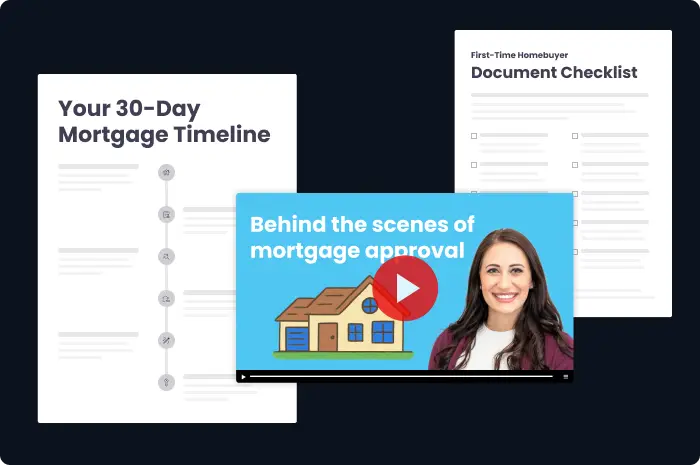
- Timeline guides showing realistic expectations (not best-case scenarios)
- Video walkthroughs featuring actual loan officers explaining procedures
- FAQ content addressing credit check concerns and application fears
Content examples:
- “What Happens After You Apply: A 30-Day Mortgage Timeline”
- “Complete Document Checklist for First-Time Homebuyers”
- “Understanding the Underwriting Process: What Lenders Actually Review”
- “When Will My Credit Score Be Checked During the Mortgage Process?”
- Video series: “Behind the Scenes of Mortgage Approval”
Why it works: Process education content builds trust by being transparent about potentially challenging aspects of mortgage lending. When prospects understand what to expect, they feel more confident moving forward with applications.

Financial literacy content
Financial literacy content helps prospects understand mortgage concepts, evaluate their readiness for homeownership, and make informed decisions about loan products. This content type positions your company as educators rather than just lenders.
What to create:
- Interactive calculators for affordability, payments, and loan comparisons
- Comparison guides explaining different loan products objectively
- Educational content about PMI, escrow accounts, and payment components
- Market condition explanations during uncertain economic times
- Refinancing decision guides with clear qualification criteria
Content examples:
- “Conventional vs. FHA vs. VA Loans: Which Is Right for You?”
- “How to Calculate What You Can Actually Afford”
- “Understanding Your Monthly Payment: Principal, Interest, Taxes, Insurance”
- “When Does Refinancing Make Financial Sense?”
- Interactive tool: “Should I Buy Now or Wait? Calculator”
Why it works: Focus on helping prospects make good decisions rather than pushing them toward specific products. This approach builds credibility and positions your company as trustworthy advisors who prioritize borrower success over loan volume.

Local market content
Local market content demonstrates deep neighborhood knowledge while helping prospects understand their specific area’s opportunities and challenges. This content type differentiates your company from national competitors who can’t provide localized insights.
What to create:
- Neighborhood guides combining market data with practical information
- Local program spotlights (first-time buyer assistance, down payment help)
- Market condition updates affecting local mortgage decisions
- Collaborative content with real estate agents and community partners
- School district and community amenity guides for families
Content examples:
- “Complete Homebuyer’s Guide to [Your City] Neighborhoods”
- “Local Down Payment Assistance Programs You Should Know About”
- “[County] Market Update: What Current Conditions Mean for Buyers”
- “Best School Districts for Families in [Metro Area]”
- Joint content: “Agent + Lender Market Forecast for Spring Buyers”
Why it works: Local content performs particularly well on social media and search engines because it targets specific geographic keywords that prospects actually use when researching their areas. It also demonstrates expertise that national competitors can’t match.

Using digital marketing to amplify your mortgage educational content marketing
Creating valuable educational content represents only half the battle. Digital marketing provides the distribution channels that transform great content into consistent lead generation. According to data from HubSpot’s 2023 sales report, educational, sales enablement content is essential for making a sale.
Search advertising works exceptionally well for educational content distribution. Instead of bidding on expensive “mortgage rates” keywords, target educational queries like “how to prepare for mortgage application” or “what credit score do I need for a home loan.” Create landing pages specifically designed for educational content rather than loan applications.
Social media platforms excel at distributing educational content because algorithms favor content that generates engagement. LinkedIn proves particularly effective for reaching real estate agents and referral partners, while Facebook and Instagram work well for reaching potential borrowers directly.
Email marketing remains one of the most effective channels for mortgage lead nurturing. According to Litmus’ 2025 infographic, email marketing delivers $42 for every $1 invested. Develop email sequences that deliver educational content over time rather than immediate sales pitches, and segment lists based on prospect interests and homebuying stage.
Content repurposing strategies that maximize your investment
Smart mortgage companies maximize their content investment by repurposing single pieces into multiple formats that serve different audiences and platforms.
Start with comprehensive guides that thoroughly address important topics. Break these pillar pieces into individual blog posts, social media content, and email series. A complete first-time homebuyer guide might become eight separate blog posts, dozens of social media posts, and a multi-week email sequence.
Video content provides exceptional repurposing opportunities. A 20-minute process explanation video can become numerous short clips for social media, podcast content, and blog post transcriptions. This approach multiplies content reach without requiring additional subject matter expert time.
Use insights from educational content performance to optimize digital advertising campaigns. According to Unbounce’s 2024 conversion benchmark report, landing pages written at a 5th to 7th grade reading level convert at 11.1%, which is more than 2x higher than professional-level writing that converts at 5.3%.
Start building trust through education
Mortgage educational content marketing requires patience and consistency, but the results speak for themselves. Prospects may consume your content for weeks or months before they’re ready to apply for loans, but when they do, they’ll choose lenders who educated and supported them throughout their research process.
The mortgage industry rewards companies that build trust through education rather than pushing applications through aggressive sales tactics. Consistency and patience are key – prospects may consume your content for weeks or months before they’re ready to apply for loans.
Begin by identifying the questions prospects ask most frequently, then start with one content type that matches your team’s strengths. If you have strong local market knowledge, begin with neighborhood guides. If your loan officers excel at explaining complex concepts, focus on process education.
Evocalize makes it easy to amplify your educational content through targeted digital advertising campaigns across Google, Facebook, and Instagram. Instead of struggling with complex campaign setup, you can focus on creating valuable content while our platform ensures it reaches the prospects who need it most.
Start creating helpful content today, and you’ll develop a sustainable competitive advantage that generates consistent, high-quality leads for years to come.