Community networking for loan officers has become more critical than ever as the mortgage industry faces increasing competition and market challenges. While most loan officers focus exclusively on building relationships with real estate agents, the smartest professionals are expanding their networks into unexpected places—and seeing remarkable results.
The traditional approach of competing for the same agent referrals leaves you fighting over scraps with every other loan officer in your market. But what if you could tap into entirely new referral sources that your competition hasn’t even considered?
Why traditional networking falls short
Most loan officers approach networking with a transactional mindset. They attend real estate mixers, join agent Facebook groups, and send branded coffee mugs—all while competing with dozens of other lenders doing exactly the same thing.
This creates a saturated environment where agents become overwhelmed by loan officer pitches, and you become just another face in the crowd. Even worse, you’re always at the mercy of someone else’s referral decisions.
Successful community networking for loan officers requires a completely different strategy—one that focuses on authentic relationship building outside the traditional real estate ecosystem.
The power of interest-based networking
The most effective networking happens when you connect with people around shared interests rather than business transactions. Think about what genuinely interests you outside of work. What topics do you find yourself researching online? What activities do you enjoy in your free time?
These interests become your gateway to building meaningful relationships in your community. When you join a hiking group because you love the outdoors, or volunteer at a local animal shelter because you care about pets, you’re meeting people in an authentic context where business happens naturally.
Drew Gillett, VP of Retail Marketing at Guild Mortgage, emphasized this approach during a recent episode of Evocalize’s Local Marketing Lab podcast. When discussing effective networking strategies, Drew noted: “Find out what your interests are… what do you find yourself going down rabbit holes on? When you’re on YouTube and you keep clicking and clicking and clicking, or you’re on TikTok or you’re on Reddit or whatever it is, what rabbit holes do you find yourself going down all the time consistently? Those are your interests. So find groups in your community that are built around that and start to build relationships.”
Consider this scenario: You’re passionate about craft beer and join a local brewing club. Over time, you develop genuine friendships with other members. When someone mentions they’re looking to buy a house, who do you think they’ll call? The loan officer they know and trust from their hobby group, or a stranger who sent them a branded stress ball?
Watch or listen to the full episode with Drew Gillett, VP of Retail Marketing at Guild Mortgage, on the Local Marketing Lab podcast:

Getting started with video marketing for loan officers
Finding your networking sweet spots
Start by identifying three to five activities or causes you genuinely care about. Look for local groups, clubs, or organizations centered around these interests. Here are some examples that work well for community networking for loan officers:
Sports and Recreation: Adult leagues, running clubs, cycling groups, golf leagues, fitness classes, outdoor adventure clubs
Hobbies and Interests: Photography groups, book clubs, cooking classes, wine tasting societies, gardening clubs, craft groups
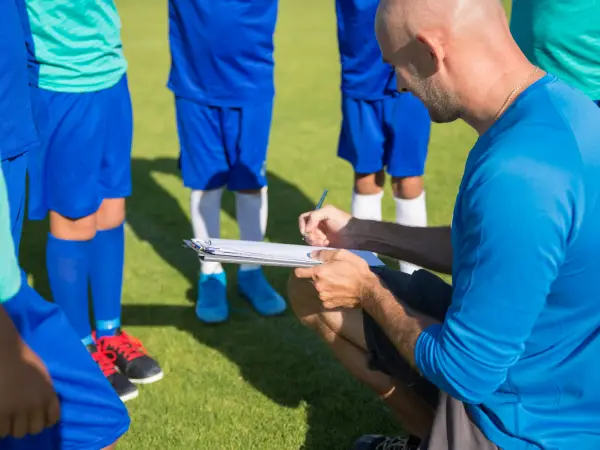
Community Service: Volunteer organizations, charity fundraisers, school committees, neighborhood associations, youth sports coaching
Professional Development: Industry associations outside of real estate/mortgage, business networking groups, continuing education classes
The key is choosing activities where you can show up consistently and build relationships over time.

Strategies that actually work
Become a connector
The most powerful networking strategy involves connecting others rather than promoting yourself. When you help a small business owner meet a potential customer, or introduce two people who share common interests, you become valuable to your network.
This approach builds trust and positions you as someone who genuinely cares about helping others—not just someone looking for business.
Share your expertise naturally
As you build relationships in different community groups, opportunities will arise to share your knowledge about homeownership, financing, and market conditions. The key is doing this naturally when people ask questions, not as a sales pitch.
When someone mentions struggling to save for a down payment, you can share helpful information about down payment assistance programs. When a friend talks about wanting to buy but being scared of the process, you can offer to explain how mortgages actually work.
Create value first
Look for ways to add value to the groups you join. This might mean:
- Organizing events or activities
- Sharing helpful resources unrelated to mortgages
- Offering to speak on homeownership topics when appropriate
- Connecting group members with other professionals they need
Leverage social media extensions
Many community groups have online components—Facebook groups, Instagram accounts, or Discord servers. Engaging in these digital spaces extends your networking beyond in-person meetings and keeps you top-of-mind between gatherings.

Building your community network system
Effective community networking for loan officers requires a systematic approach:
Step 1: Audit Your Current Network. List everyone you know outside of real estate and mortgage. Look for gaps in demographics, interests, and community connections.
Step 2: Research Local Options. Use Facebook, Meetup, local community centers, and libraries to find groups aligned with your interests.
Step 3: Commit to Consistency. Choose 2-3 groups where you can show up regularly. Sporadic attendance won’t build the relationships you need.
Step 4: Track Relationships. Keep notes on the people you meet, their interests, and their situations. This helps you remember details and follow up appropriately.
Step 5: Give First, Receive Later. Focus on building genuine relationships for at least 3-6 months before expecting any business referrals.
The long-term payoff
Community networking for loan officers isn’t a quick fix—it’s a long-term strategy that compounds over time. The relationships you build today may not generate business for months or even years. But when they do pay off, these referrals tend to be higher quality and more loyal than traditional sources.
People who know you personally are more likely to:
- Refer friends and family members
- Choose you over competing lenders
- Provide testimonials and reviews
- Become repeat customers for future transactions
Making it sustainable
The biggest mistake loan officers make with community networking is treating it like another business obligation. If you’re only showing up because you think you “should,” people will sense your lack of authenticity.
Choose activities you genuinely enjoy. This ensures you’ll stick with them long enough to build meaningful relationships and makes the networking feel natural rather than forced.
Remember, successful community networking for loan officers isn’t about collecting business cards or making sales pitches. It’s about becoming a trusted, valuable member of your community who happens to be great at helping people with their mortgage needs.
Start small, be consistent, and focus on giving value to others. Your business—and your personal life—will be richer for it.