Crafting an effective digital marketing budget is essential for businesses aiming to thrive online. With an overwhelming array of platforms and strategies to choose from, knowing where to allocate your resources can significantly impact your marketing success. A well-structured digital marketing budget not only enhances your brand’s online presence but also ensures that your marketing dollars are spent efficiently and effectively.
The importance of strategic budgeting is underscored by a recent study that found 61% of marketers cite generating traffic and leads as their top challenges. This statistic highlights the critical need for businesses to develop a budget that aligns with their marketing objectives and optimizes their return on investment. Whether you’re a small business owner or part of a large corporation, the principles of budgeting remain the same: striking the right balance between various digital channels such as social media, search engine marketing, and content creation.
Creating a successful digital marketing budget involves understanding your business goals, analyzing past performance, and predicting future trends. Whether you are a small business owner or part of a large corporation, the principles of budgeting remain the same. It’s about striking the right balance between various digital channels.
In this article, we’ll explore practical insights and strategies for developing a digital marketing budget that aligns with your business objectives.

The current digital marketing landscape
The digital marketing landscape is constantly evolving. Businesses are faced with an overwhelming number of options when it comes to choosing the right channels and tactics to reach their audience. From social media platforms and search engines to display networks and email campaigns, the choices are endless. This variety makes it challenging to allocate your digital marketing budget effectively.
In recent years, the shift toward digital has accelerated, with more businesses investing heavily in online marketing. As businesses compete for visibility online, understanding how to distribute your resources is crucial.
Creating a digital marketing budget that aligns with your business goals is key. It’s important to assess your current marketing efforts, identify what’s working, and pinpoint areas for improvement. By doing so, you can make informed decisions about where to invest your marketing dollars and how to optimize your budget for maximum impact.
Navigating budgeting challenges in a shifting environment
Despite the importance of a well-structured digital marketing budget, many businesses face challenges in creating one that is truly effective. One of the main complications is the ever-changing digital environment. Trends and consumer behaviors are constantly shifting, making it difficult to predict which strategies will deliver the best results.
Digital marketing platforms often update their algorithms and features, requiring marketers to adapt quickly. This fluidity can lead to uncertainty in budgeting, as businesses struggle to determine which channels will provide the greatest return on investment. Without a clear understanding of these dynamics, it’s easy to overspend on ineffective tactics or miss out on valuable opportunities.
Another challenge is the integration of various digital marketing efforts. Ensuring consistency across multiple platforms while tailoring messages to different audiences can be complex. It requires a strategic approach to budgeting that considers both the big picture and the details. Balancing these elements is essential for crafting a digital marketing budget that supports your overall business strategy.
Key considerations for your digital marketing budget
Creating an effective digital marketing budget requires answering several crucial questions. These considerations will help you align your marketing efforts with your business goals and make informed decisions about resource allocation.
1. What are your business goals?
Defining clear objectives is the cornerstone of any successful digital marketing strategy. Whether your focus is on increasing brand awareness, driving website traffic, generating leads, or boosting sales, your goals will determine how you allocate your digital marketing budget.
- Prioritize your goals based on their potential impact on your business. For instance, if your primary aim is to expand your customer base, you might allocate more resources to lead generation campaigns. By having clear priorities, you can ensure that your budget supports strategies that drive meaningful results.
- Start by identifying specific, measurable targets. For example, you might aim to increase website visits by 20% within six months or generate 500 new leads per quarter. These targets should be aligned with your overall business objectives and provide a roadmap for your digital marketing efforts.
2. Who is your target audience?
Understanding your audience is crucial for effective digital marketing. Your audience’s demographics, preferences, and behaviors will influence your messaging and channel selection, ensuring that your budget is used effectively.
- Conduct thorough market research to create detailed customer personas. These personas should include information such as age, gender, location, interests, and online behaviors. By understanding who your customers are, you can tailor your marketing strategies to resonate with them.
- Use these insights to determine where to allocate your budget. For instance, if your audience is primarily active on social media, you might prioritize spending on platforms like Facebook and Instagram. By focusing on the channels where your audience is most engaged, you can maximize the impact of your digital marketing budget.

3. Which channels are most effective for your industry?
Not all digital marketing channels are created equal, and their effectiveness can vary by industry. It’s important to analyze which platforms deliver the best results for your specific market.
- Review past campaign data and industry benchmarks to identify high-performing channels. Consider factors such as reach, engagement, and conversion rates to determine where your budget should be focused.
- Diversify your spend across multiple channels to mitigate risk and maximize reach. While some platforms may consistently perform well, it’s important to test new channels and strategies to discover untapped opportunities. By maintaining a balanced approach, you can adapt to changes in the digital landscape and optimize your marketing efforts.
Google Ads
Google Ads offers a powerful way to reach potential customers through search engine marketing. It allows you to target users based on specific keywords and demographics, ensuring that your ads appear when people search for relevant products or services.
Pros:
- High-intent targeting: Reach users actively searching for your products.
- Measurable results: Track clicks, conversions, and ROI in real time.
- Extensive reach: Access a vast audience through Google’s network.
Cons:
- Costly competition: High competition for popular keywords can drive up costs.
- Requires expertise: Managing campaigns effectively can be complex.
- Click fraud risk: Potential for non-genuine clicks affecting your budget.
Facebook is a versatile platform for digital marketing, allowing you to engage users with targeted ads based on their interests, behaviors, and demographics. Its robust analytics tools enable precise targeting and measurement of campaign performance.
Pros:
- Detailed targeting: Access detailed user demographics for precise targeting.
- Diverse ad formats: Utilize various ad types, including video, carousel, and slideshow ads.
- Strong engagement: Benefit from Facebook’s high user engagement rates.
Cons:
- Declining reach: Organic reach has decreased over the years, necessitating paid promotion.
- Privacy concerns: Changes in privacy regulations can impact targeting accuracy.
- Content saturation: High competition for user attention can reduce ad effectiveness.
As a visually-driven platform, Instagram is ideal for brands looking to engage users with compelling imagery and video content. It is particularly effective for businesses targeting younger demographics and lifestyle-oriented markets.
Pros:
- Visual storytelling: Showcase products through high-quality visuals.
- Engaged audience: Reach a young, active audience with a strong interest in visual content.
- Influencer partnerships: Collaborate with influencers to expand your reach.
Cons:
- Limited link options: Fewer opportunities to drive direct traffic compared to other platforms.
- Highly visual focus: Requires a steady stream of high-quality visual content.
- Algorithm changes: Frequent changes to the algorithm can affect visibility.
TikTok
TikTok has quickly become a major player in digital marketing, especially for brands targeting Gen Z and Millennials. Its short-form video content format allows for creative and viral marketing opportunities.
Pros:
- Rapid growth: Access a rapidly growing user base with high engagement.
- Viral potential: Create content with the potential to go viral.
- Creative expression: Utilize innovative ad formats and trends for unique brand exposure.
Cons:
- Younger audience: Primarily targets younger users, which may not suit all brands.
- Content challenges: Requires creativity and agility to keep up with trends.
- Measurement tools: Still developing analytics tools compared to established platforms.
Evocalize’s collaborative marketing technology can be a valuable asset in identifying and utilizing the most effective channels. By leveraging real-time data and machine learning insights, Evocalize helps businesses optimize their digital marketing strategies across various platforms, ensuring that your budget is spent where it matters most.
4. What is your competitive landscape?
Analyzing your competitors’ digital marketing strategies can provide valuable insights into potential opportunities and challenges within your industry.
- Conduct a comprehensive competitive analysis to identify strengths and weaknesses in your competitors’ marketing efforts. Look for gaps in the market that your business can exploit, such as underserved audience segments or emerging trends.
- Use this information to adjust your digital marketing budget and capitalize on opportunities for differentiation. By understanding what your competitors are doing well, you can refine your strategies and allocate resources to areas where you can gain a competitive advantage.
5. How will you measure success?
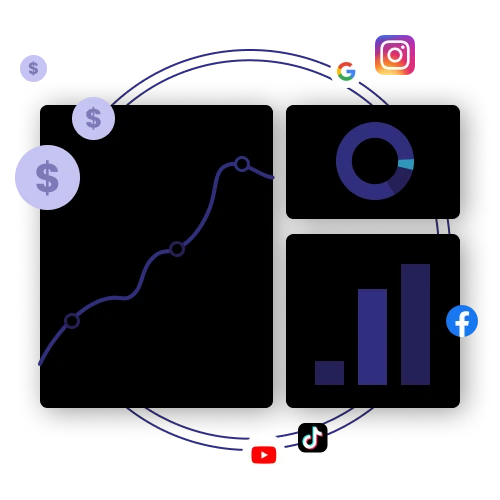
Establishing clear metrics for success is essential for evaluating the effectiveness of your digital marketing efforts. By tracking performance, you can make data-driven decisions and adjust your budget as needed.
- Define key performance indicators (KPIs) such as conversion rates, cost per acquisition, and return on ad spend. These metrics should align with your business goals and provide a clear picture of your marketing performance.
- Regularly review these metrics to ensure your digital marketing budget is delivering the desired results. Use data insights to refine your strategies, optimize campaigns, and make informed decisions about future budget allocations.
An effective digital marketing budget
Crafting an effective digital marketing budget is a crucial step toward achieving your business objectives in today’s competitive landscape. By defining clear goals, understanding your audience, selecting the right channels, and diversifying your marketing spend, you can ensure that your resources are used efficiently and effectively.
Incorporating these strategies into your digital marketing efforts will not only enhance your brand’s visibility but also maximize your return on investment. As the digital landscape continues to evolve, staying agile and adaptable is key to maintaining a successful marketing strategy.
Evocalize offers cutting-edge solutions to help you navigate the complexities of digital marketing. Our collaborative marketing technology empowers businesses to optimize their strategies across various platforms, ensuring that your budget is allocated where it matters most.
Ready to elevate your digital marketing efforts? Connect with us today to explore how we can support your business in reaching its full potential.