



Summary
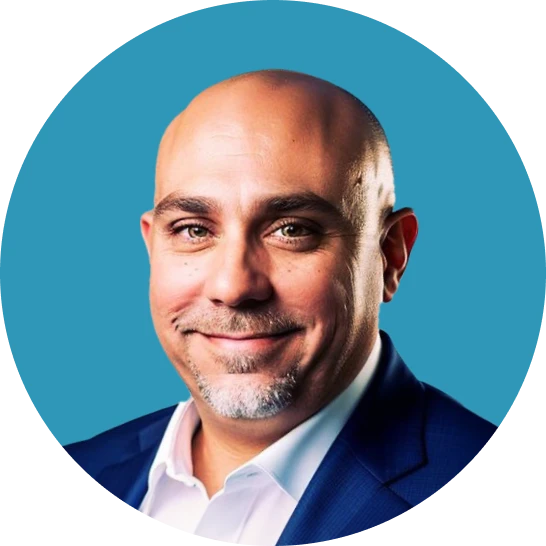
In this episode of the Local Marketing Lab, Michael Ungaro, CEO of San Pedro Fish Market, shares his journey of transforming a small family-owned seafood shop into a $30 million restaurant empire. With over 40 years of industry experience, he unveils innovative local marketing tactics to boost sales, emphasizing the power of storytelling, community involvement, and adaptability in driving business growth.
Building a strong brand story. Telling stories of community involvement and family history creates powerful connections with customers. By sharing their charitable work and long-standing local roots, San Pedro Fish Market has fostered customer loyalty and differentiated itself in a competitive market. This approach underscores the importance of authenticity in local marketing tactics to boost sales.
Creative local marketing tactics. The episode explores strategies that have contributed to San Pedro Fish Market’s success. From partnering with local businesses for co-marketing initiatives to leveraging direct mail campaigns, Michael demonstrates how thinking outside the box can significantly boost sales. He also emphasizes the value of community engagement, which has helped the brand build a devoted customer base.
Adapting operations for resilience. San Pedro Fish Market pivoted during challenging times, such as relocating to a parking lot setup and implementing QR code ordering during redevelopment. This flexibility not only ensured business continuity but also opened doors to new opportunities. Integrating technology and embracing change can be powerful local marketing tactics to boost sales, even in the face of adversity.
This episode is a treasure trove of insights for businesses looking to elevate their local marketing game. Whether you’re a restaurant owner, a retail entrepreneur, or a service provider, Michael’s strategies offer actionable local marketing tactics to boost sales and foster lasting customer relationships.
Key Takeaways
Here are some topics discussed in the episode around local marketing tactics to boost sales:
- The power of storytelling and building a brand identity to connect with customers
- Creative local marketing tactics like direct mail, community involvement, and business partnerships
- Adapting operations and pivoting the business model during challenging times
- Leveraging PR, social media, and a web series to amplify the brand story
- Overcoming the “big corporation” perception as a local, family-owned business
And that’s why I see this uptick on our sales, because the more we put those stories out, the more people could relate to us being a good member of the community.
MICHAEL UNGARO
Resources
- Connect with Michael Ungaro on LinkedIn.
- Learn more about San Pedro Fish Market.
- Check out King of Fish.
- Stop by Brouwerij West brewery.
- Order a tray of shrimp from San Pedro Fish Market on GoldBelly.
Other shout-outs
- Port of Los Angeles Lobster Fest
- Toast and me&u for allowing San Pedro Fish Market to succeed with their restaurant reservations and ordering.
- Shawn Walchef for great video content and telling stories about your brand.
Transcript
Justin Ulrich
What’s up everyone, and welcome to the Local Marketing Lab, where you get real-world insights from industry pros to help you drive local revenue and local for growth. This podcast is brought to you by Evocalize – digital marketing tools powered by local data that automatically work where and when your locations need it most. Learn more at evocalize.com.
Well, what’s up? And welcome to the Local Marketing Lab. Joining us in the lab today is a guest with over 40 years of restaurant experience. His restaurant holds four Guinness World Records. He’s the star of the award-winning show King of Fish, the CEO of San Pedro Fish Market, Michael Ungaro. Thanks for joining us in the lab, my friend.
Michael Ungaro
It’s great to be here. Thanks for having me.
Justin Ulrich
You bet. Yeah, it’s awesome. This is actually really exciting. One, we don’t typically have TV stars on the show, so nor do we have Guinness record holders.
Michael Ungaro
Those are fun accomplishments.
Justin Ulrich
What, real quick, what are some, what are some of the records that you guys hold?
Michael Ungaro
So we used to do the Port of Los Angeles Lobster Fest and we just did lobsters. We didn’t produce the festival, but the producers like, you know, I really want to get some press and I don’t think anybody’s doing anything near the volume of lobsters that you’re selling. I want to get Guinnes out to, if you could do a world record for it. And they did, but they wouldn’t let us put the word lobster in. They just said seafood.
I forget the numbers. But they came out on a Saturday and we had to have a junk Decatur from Guinness there and we had to have sort of a celebrity to make sure they count. It was a whole thing we had to do. And we did something like 8000 or 9000 pounds of lobster over a certain amount of time. Actually might be 18,000. It was a lot. It was a ton of lobster.
But they only put seafood on it. So somebody went up against us and like somewhere in South America, I think, doing sardines because, you know, it’s seafood, most served in a single day. And they beat us by a ton for a fraction of the cost. So, and it’s funny because I don’t know if you know this, but lobsters used to be prison food. No one would want to eat them.
Justin Ulrich
Oh, interesting.
Michael Ungaro
They were considered a bug, so they fed them to prisoners. And somewhere somebody created a story or a narrative, somebody with some genius marketing and turned them into a luxury food.
Justin Ulrich
Yeah. That is…
Michael Ungaro
I don’t know who it was, but so that, that was the first one. And then what happened was we re approached Guinness and they started softening their stand on it. And we’re like, this is not fair. But let us tell you what, if you let us call it lobster, we’ll do three in a single day. And what we’ll do is most cooked in a single pot, most served in a single vessel. And most cooked over the course of, like, so many hours. And I’m forgetting all the numbers.
All the records are hanging in our office, but I’m not there right now, and I can’t remember. But we just killed it, you know, and nobody came close to it after that. And it was in the thousands and thousands. We would do something like 30,000 pounds of lobster and a weekend at this event. And they’re all main lobsters that we throw in.
Then we built, at one point, our own cooker that ran on, I think it ran on diesel. We tried to do biodiesel. It smelled like In N Out french fries, and it clogged everything up and broke. But we, but we created this three – basically, it’s three giant boilers on a trailer with, like, a conveyor belt and then a winch to lower it in.
So you’d have one group of guys just going back and forth to the airport to pick up pallets and boxes, dump them in, winch it up, put it in the water for ten minutes, take it out, put it on the, wheel it around the front to all the workers who were just making lobster mules and just. We were able to do about 2000 pounds of lobster, like, from water to serve per hour at this event.
Justin Ulrich
Wow.
Michael Ungaro
It was crazy.
Justin Ulrich
That’s incredible.
Michael Ungaro
So that’s what the guests.
Justin Ulrich
That’s insane. Yeah, we can dig into that.
Michael Ungaro
It got to this point where it was like, it was so much labor and we just couldn’t figure out if what we were producing in sales was worth the amount of time and energy. Like, I don’t know if there was a return. There was a great PR point to it. You know, we got aa lot of press from doing the event, and we’d go on TV and we’d do all these different things, and it was really cool.
But we just got to the point, like, after 20 years, I won’t do this anymore. Tired.
Justin Ulrich
Yeah, that’s like everything in life. My kid asked me to swing her around the other day, and I’m like, ah, I’m tired. It’s getting older. So. So, you know, speaking of tired, you know, you’ve been in the industry for a long time. I looked in your bio, and I guess you started when you were seven years old.
Michael Ungaro
I remember one summer, my dad’s like, and this is before we were really in the restaurant industry at the time, we were seafood, but it was mostly retail, wholesale seafood. And I remember my dad’s like, you know, come to work with me. And he paid me, like, I don’t know, like a buck an hour to work, 7 hours just shoving ice cold fish into bags and shoveling ice.
And our seafood warehouse at the time, it’s called Shamrock Seafoods. And, I mean, I had money. The ice cream man was pumped when he’d come down the street, but I was like, you know, I really want to play. Age eight, nine, I think, in ten. I took off. In 1982, on Good Friday, we reopened what became the San Pedro Fish Market.
And that same time, we had been evicted from the location. So our primary business has always been on LA Waterfront in the city of San Pedro. And we started in 1956 when my grandfather had a little 200-square-foot business selling seafood to the locals. And my dad and uncle ran it. They’re like 15 years old.
And he kind of gave him a choice, because I’ll pay for you to go to school, or you can work. And they’re like, we hate school. So they just worked.
And by 1959, they had moved down and taken over a place called Norm’s Landing, which was on the LA waterfront. And nothing had been developed down there at the time, and it was just a little fresh fish market. And they just ran a bunch of experiments. They learned the seafood business. They figured they weren’t on boats, you know, they were kids.
So they’re just figuring out, well, let’s try smoked fish. We’re doing shrimp cocktails. What if we brought in live crab and lobster? And then you get to 1978, 1979, and I’m eight or nine years old at the time, and the whole area was being redeveloped. They were expanding. They had this, this ports call village area that was being built, and it was built really earlier than that, but it’s being expanded and we had to leave, and our building was torn down.
And they built this village, but we were able to secure space to build a new restaurant. So for a year, we worked out of trailers in a parking lot, and I was like 9, 10 years old. And we finally opened a good Friday of 1982. And my mom had had, like, gallstone surgery at the time. It was like that. It wasn’t like a day surgery like it is now.
So we had to go to work because she had to recover. So I started working again at 11, 12 when we that good Friday, 1980, probably 1982.
Like, I don’t think I ever stopped. Tried a few times, but it’s been hard. But, you know, the irony to that story is last year we had to leave that building. So we built this building and we expanded and bought another restaurant next to us, built another one in the middle was built by my uncle. And altogether this is on 55,000 sqft with 3000 seats. And it was serving close to 2 million people a year.
Only SeaWorld was bringing in more people than us on the whole western seaboard. That wasn’t like subsidized.
Justin Ulrich
That’s crazy.
Michael Ungaro
You have to pay money and drive to visit us. And the thing was, it’s like these were customers that were driving over an hour. A lot from Las Vegas and from Phoenix, like making day trips and going back home. Parking is insufficient. We didn’t have the seats to handle all these people. So you’re driving hours, you’re waiting in line, a couple hours to get in the building, another hour to get your food.
And so we had created this like phenomenon inside the business. And last year we were told, or you’re in Africa now, I guess it is, but you’re going to have to leave because we’re redeveloping everything again and you’re in the way.
And we knew this was happening. It’s been going on for like twelve years. So we left, you know, we try to negotiate, work things out. So ultimately we left that building. It all got torn down in August and we’re working out of a parking lot again for a year, just like we did when I was eleven years old. So it’s been a long time.
Justin Ulrich
That’s crazy. So are you still in the parking lot now then or what?
Michael Ungaro
We are. We’re still in the parking lot. We’ll be part of the project that they’re redeveloping. So we just kind of been dancing around. So it’s 60 days my team, I cannot take any credit for this other than putting the team together and like go for it. I believe in you. Excuse me, they in 60 days time because we were worried this was going to happen. So they had been preparing like talking to vendors and figuring out how we’re going to do this.
In 60 days time, they moved 100 yards to an empty parking lot that wasn’t slated to be part of the development for at least a year. Turned out not to be accurate and reopened with two FEMA trailers like 32 foot kitchens, bathrooms, all portable. There’s no water, no drainage, no power. And we reopened, moved as many of our seats as we could, we found the best covering we could find, fenced it all off and reopened it.
And what we did was we called it The Landing, which was a callback to Norm’s Landing that we had been evicted from working out, know, 1979, 1980, and the customers kept coming. You know, we still, we went from $30 million in sales annually to drop down to about half of that. Like, we, I think we’re on track to do 15 or 16 out of a parking lot, though, you know, with temporary equipment, you know.
And then my, my nephew kind of took over the IT role, my brother’s son, and he’s like, well, we have to figure out as a team, we’re not going to have a fresh fish market. And our concept was you came in and picked out your own seafood, and then we cook it for you and serve it family style on big trays, you know, and we didn’t have a fish market. There’s no way to build a fish market in this parking lot.
So he said we could use QR codes. And we just, we turned on Toast. We just switched to Toast. We’re trying to figure out how to put it into the restaurant. Well, tearing it down made it easy because now we could reinvent everything. So we went to Toast and, but Toast at the time, they had a QR code offer, but not for 1500 seats.
So there were about a thousand seats at the time. So we teamed up with another company called me&u that works with Toast, did the QR codes.
They’re more like concert venues, but there’s a lot seats. And we tested it, we turned it on. We said, all right, this is going to happen. Customers are going to go straight to the table. Instead of waiting in line for alcohol, waiting in line for seafood, waiting in line for calamari or sandwich, like five different lines, and then converge on a table, go straight to the table, QR code, and we’re just run the food to them like it works everywhere else.
And, you know, there are some issues, but it worked out. For over a year now it’s been continuing. We had to work. We even moved to a different parking lot in January to get out of the construction again.
Justin Ulrich
Oh, my word.
Michael Ungaro
In four days, they moved the entire restaurant to another parking lot, plugged it back in.
Justin Ulrich
This is so wild.
Michael Ungaro
We are now in the process of building what we’re going to call. So we’re in. The first one was the landing phase one. The other move was phase 1.5. And we’re trying to get to phase two, which is just on, like on the other side of this fence, and it’s about 30,000 sqft.
We had all these temporary kitchens built that we’ll own that will plug into utilities and power and then we’ll build a deck and seating and everything. And we’re just trying to get through like the building and safety and bureaucracy. But yeah, that’s should be open soon.
Justin Ulrich
That’s awesome. And then when are you slated to have like your final final location finished?
Michael Ungaro
Once we get this, we’re negotiating leases for both at the same time because we could conceivably have both locations. This temporary one can last for years. And then we’ll start building what will be back in our – we’re going to call it like our legacy location back in the original. We’re going back to where we were basically.
Justin Ulrich
Yeah.
Michael Ungaro
We’ll be able to design and build it the way we want now, like from ground up. So I’m expecting at least three years.
Justin Ulrich
Yeah.
Michael Ungaro
Wow. It’s a big project.
Justin Ulrich
It’s a bit. Yeah, I’ve seen that. I’ve seen the video that you guys have just from your show and stuff. And it’s, I mean, massive. I’ve never been there, but it makes me want to go a massive location. And like you said, the numbers that you’re throwing out, they sound huge, but to see it is just like, oh my goodness, the market, all the people is so busy. All the seating, it’s just a packed house at all times. Incredible.
Michael Ungaro
Yeah. And I would attribute a lot of that to our marketing. And I can come back to purpose of the call.
Justin Ulrich
Yeah. What are the things that you’re actually doing, like from a local marketing standpoint to drive all that traffic? I mean, people are coming from everywhere.
Michael Ungaro
It’s funny, like growing up, I’ve always dug marketing. I remember, I mean, I didn’t distinguish between marketing and advertising. I was younger because you’d be watching Bewitched. And the husband Darren was like, work for an advertising agency. And I go, that’s really cool.
And then there was another movie, I remember with Tom Hanks and Jackie Gleason where he worked for an advertising agency. And they do this whole thing about like airlines. And I was like, that’s awesome. It’s creative, it’s innovative. You know, you’re not stuck. You’re not just stuck doing repetitive work, which is what I was used to. So I always thought it would be cool, but my family thought it was just. That’s a bunch of BS. Hocus pocus crap.
Justin Ulrich
Yeah. New age gui.
Michael Ungaro
One time we made up flyers that had free lobster and we passed them out everywhere. Not one of them came back. That shit doesn’t work. Okay, I’m sorry.
Justin Ulrich
That’s. That is actually real, like, reality for a lot of folks. I think they just do it the one and done, and it’s. That’s not how it works.
Michael Ungaro
Didn’t understand. Right. So I left family business at one point, and I was running my own little restaurant. I had an idea, and I wanted to test it, and I wanted it to be mine. And it was. It was my complete failure. And it was called. It was a little seafood restaurant. And I, like, tested things. Like, I went around this little location we had that we owned as a family, and I tested certain things out. They seemed to be working.
Like, I think I do sell my own. I’ve got equity in my house. This guy selling his restaurant for $25,000. I could just write a check and I’ll take it over. And it’s in a better area. It’s on a high-traffic area. Let me test this out. And I realized, like, I’m okay at operations, pretty bad at finance, but I didn’t know anything about marketing, so I had to learn it.
Then I started studying, reading about it, and figuring things out. And there was just. This was 20 years ago, so there was no social media, you know, so I had to get really innovative.
One of the things I did is I created a corporate catering business out of this business because we’re freeway close, and I had friends that were pharmaceutical reps that were like, you know, if you could put together some of those meals we grew up with in our hometown, like masticole and different, like tri-tips and stuff.
Like, I got a kitchen. I could do it. You’re right on all the freeways. I can get you in all the hospitals. And so I realized, oh, there’s this whole B2B offer here I wasn’t thinking about. And so there was this. There was a hardware store next door. It was called True Value Hardware. And, you know, restaurants. I’m in there all the time buying tools, try to patch things back together.
Justin Ulrich
Yeah, yeah.
Michael Ungaro
And I talked to the owner, became friends. We kind of grew up in the same town, knew a lot of same people. And he’s like, you know, do any marketing? He goes, I hate marketing. I hate it, Mike. Oh, yeah. Well, you got UPS and See’s Candy and FedEx and all these aerospace companies. All their warehouses are back here. Do they buy from you? And he goes, yeah.
I go, you have their information? He goes, yeah, you want, you want? I’ll give you a contact information. I’m not. I don’t like to ask for something for nothing. So here’s what I’ll do. If you give me the list, I’m gonna send them all Christmas card from you, thanking them for your 50 years of business.
And in return for that, I’m gonna have, on the other side of this Christmas card, a $1 taco things at a seafood restaurant next door, right? Mexican restaurant.
So I got it. He said, I put it together at a mail house, shipped it all out, and he comes to me, goes, dude, these people are pumped. I’ve never sent them anything before. And I go, and I didn’t send them anything. This you sent, it’s from you, not from me. And I go, yeah, but they’re happy, right? So you’re satisfied because I’m going to use the list to start mailing out my Christmas menu. Holiday menu.
Justin Ulrich
Yeah. Yeah.
Michael Ungaro
He didn’t care, but he got, you know, he got a bunch of recognition out of it. Customers came in to thank him. I got a bunch of customers coming in the restaurant, and then I got a whole catering offer out of it. So, yeah, that was.
That was ruined. So I took those things back to my family when I went back to work with them and try to figure out there’s direct mail stuff that we can do. And then social media pops up, you know? So we were doing a ton of charity work, but just no one ever talked about it. So I started looking into, who are we helping? We had something like 40 different churches, nonprofits, hospitals, boys and girls club.
And I’ll share another story about where that was benefiting us, that we didn’t see it. And my friend has this quote, “you can’t wield the weapon you don’t know that you have.” I didn’t know we were doing all these things through the business.
And when this redevelopment thing was happening, I asked the board of directors for the port of Los Angeles, because they’re our landlord. Can we be on the agenda to tell everyone who we are? I don’t think anybody knows.
We’re head down, butt up. We don’t talk about this stuff. And I reached out to some of these nonprofits and people that were helping the community. They all showed up to talk. And this one guy, who was my accounting teacher in high school, now ran the local boys and girls club, and he shared this story. And this is a great example of, like, local marketing and building your identity and getting out there and helping people.
The problem was, nobody knew this was happening, right? So he says, you know, my first day taking over this job for the boys and girls, club. We had no money. It was Christmas time. I had all these kids. I didn’t know what I could do to help them. And this guy rolls in, in a station wagon. He says, get in with me. And my name’s Tommy.
And I goes, I thought, I don’t know who this Tommy guy is. I know he’s going to drive me off a cliff. I don’t know. I might never come back. And he brought him to the local sports goods store, sporting goods store. And he goes, okay, buy everything we can until we can’t fit anything else in this car. And then you’re going to bring it back, and it’s for the kids. And we’re all sitting there going, I had no Tommy being my uncle, our founder.
Justin Ulrich
Oh, wow.
Michael Ungaro
I had no idea he was doing this. And he had been doing it every year for years. And a lot of those kids, because the boys and girls club was a big part of him, his life growing up. And a lot of those kids were boys of ours, back and forth, they’d go to boys and girl club to work for us. And some of them have become really successful CEO’s in their own right.
And so we had built up this identity of helping people, but we were so stealth about it until I made it public in this board meeting. And there was a story after story like that. And so we started using our PR. I brought a PR company, we brought in some social media help, and we started to figure out, like, what other stories are we not telling that people are making up about us because they don’t know what we’re doing?
And that’s why I see this uptick on our sales, because the more we put those stories out, the more people could relate to us being, like, a good member of the community. But also what happened was there was a lot of people that had been coming to us for years. You know, like, I used to come here when I was a little kid. Now I bring in my kids and my parents, and they didn’t know who – they just knew it was a tradition.
But when you added the story of who we were and what we were doing, it was a whole different level of, I don’t say commitment or compassion, but like, it was, it was a different level of connection for people, because they already had us in their story, but they made up their own story about us. They didn’t know who the owners were. A lot of people thought we were a swap meet with a bunch of different stands selling seafood business.
So by telling the story, putting it out there, and then using social media and eventually Kings of Fish, our web series, it just, just kept escalating, and our sales grew over a ten year period, like double digit every single month, just connecting with people and telling those stories. And so I had to build a whole team to manage it because it was too much for me. But, yeah, for sure, it worked out really well for us.
Justin Ulrich
Yeah, it’s, it’s a very interesting concept. You know, people don’t typically buy from companies. They buy from people, and they typically also don’t remember the things you say, but they remember how you make them feel.
Michael Ungaro
Yeah.
Justin Ulrich
So if you’re doing your best to go around in your community and you’re connecting with folks, establishing, you know, relationships, building rapport, then also doing your best to highlight them and tell their story, it’s going to come back to you, you know, in spades, because those people will always remember how you made them feel, and then they’ll share that story to their network.
And that’s the beauty of social media, is then you can take those stories and you can share them with your network, and then it also, you know, puts your company and your logo front and center to their network. And it just, you have this incredible networking effect where you’re able to get in front of way more eyeballs, get way more reach than you typically would have had otherwise.
Michael Ungaro
Also, you brought up a good point that I hadn’t thought about. I wonder now if a lot of people liked us and didn’t want to think of us as a big company. So made up these stories about seafood swap mean different things until we were able to tell them, no, no, we’re a family-owned business. Like, I’m third generation, fourth is coming up, and it’s, I’m wondering if maybe that made it easier, excuse me, for them to like, to like us
Because I get the, like, big corporation thing. Like, I don’t want to go to chain, I don’t want to go to big company. But at the same time, I’m thinking that part of the story we’re telling was to humanize who we were. Just, we’re not just a big, greedy company. We do a lot for the community. We do a lot for our customers. We do a lot of charity work. We do a lot of different stuff.
Matter of fact, like, I didn’t realize this when the eviction happened last year. We had to figure out, we’re going to set up shop. We didn’t know if this parking lot thing was going to work. We’re just, you know, we’re going through the motions. And I reached out to a local brewery, Brouwerij West. It’s in San Pedro, and they’re pretty new. They’ve been open a few years. I don’t think it’s been. It might be ten now, maybe eight.
But I remember when they first opened, I got to know the owners a little bit, because it’s a small town. We all know one another. And, you know, if you needed something, like, he’d call, hey, can we borrow your forklift? Yeah, sure. Do you have change? We’re out of fives. I’m like, yeah, I’ll send someone over, and I will do that for anybody. You know, it wasn’t, like, special for them. It’s just how we were all very helpful. We very seldom turn out requests.
I reached out to him and I said, you know, we’re trying to figure out after this eviction where to go. We’re going to get this 32 foot kitchen. I know you have a food truck thing. You have food trucks coming in out of the brewery all the time. Instead of building their own kitchen, that’s what they do. They bring in food trucks. Is there a possibility that we could set up there just to test this kitchen out and see if, you know, we’ll send.
All our customers are going to show up, and we’re not going to be. And you’re a half a mile away. So I could send them all to you, you’ll get the beer sales, and I could test the food kitchen out.
And he tells me, he goes, Mike, you know, when we open, you’re the only one that was there to support us. Like, every time I had a problem, you were always there. Everybody else, I feel like, fought us all the time, and I never understood, and I didn’t know any of this. You do anything you want. I’m like, oh, okay.
So it was like a great example of helping the community. And then they came back to help us. The problem was we were so successful that we took all the sales away from the other food trucks. So I was like, that wasn’t my intention. But we had the strong brand, and what we did was we taught them how to do Michelada, which is something that become really popular for us.
And we had our own recipe. So I said, what we’ll do is we’ll give you the recipe and all the ingredients. And you guys already, they were already making like a sort of a Mexican lager. So we’ll give you how to make the Michelada, then our customers, because we can’t sell beer. You have a license, but we’ll sell the food.
They’re going to want a Michelada. You can sell the Michelada. Everybody wins. It became so popular. I think they have like a Michelada festival now there a couple times a month.
Justin Ulrich
That’s awesome. It just goes to show to the power and partnering with other local businesses. Like, there are so many different businesses that could, that could go hand in hand with what you provide and even otherwise, like your example of doing with the hardware store, doing that kind of co-op, I mean, that’s, that’s an incredible example.
You don’t have to have like a food and a drink, you know, or dinner and a movie or something that goes together naturally. You know, you could just have a friendly that you work with to help, you know, partner and drive traffic.
Michael Ungaro
I moved into the house where now, and I remember when kids were young, so my daughter, I have three daughters and the youngest just turned 20, and the other one’s 23 and 24. I think I’m losing track. Sorry. I can’t believe that they’re 20. So I kind of in denial about it too.
But when we first moved in, we couldn’t really go out to eat anywhere because they were young and, you know, we’re working hard and, you know, money was tight and all this stuff. And I used to get this mailer, and it was simple. It was just eight and a half by eleven, white folded in half, right, bam. So you get it. And it was for a local restaurant, and it would have the name of the restaurant and like a coupon or something, and on the backside it would have some other information.
And when you open it, it was a calendar of events of all the things they had going on in the restaurant, and then a story about one of the employees or a customer. And every month I would get it going. This is so simple, but I want to go there so bad now. But I just couldn’t work it out with the kids. And then they redeveloped it. It was gone, but it, but it stuck out in me. It’s like, mailers are incredible.
And I remember I had subscribed when I started trying to figure out the catering part of my little restaurant that I shut down, I was subscribing to I think it was Michael who had like a Corky’s Barbecue in Tennessee. And he was a, you know, he was a franchisor, or a franchisee, and I had started following. I bought all of his, like, sales letters and all his marketing stuff. Like, oh, this is really cool. And like, what are the top ten things that every caterer should? A question you should ask your caterer before you hire.
You know, they were like, they were very basic sales like techniques, but really focused on the business I was in for restaurants, and I used a bunch of it. It worked out really well. I could go to a chamber meeting and I would get there early, and I would have my card stapled to a menu with a sales letter, and I’d leave it on everyone’s chair, you know, and we’d get all this business out of it. And I think those things, I don’t know.
I talk about this for people that work for us or have been in this business, and it’s totally foreign to think that way. You know, it’s like, well, can I just use social media? And you can. I’m sure it’s a powerful tool, but some of those basic techniques, like the way I hold it, is you’ve got to talk to people at least 7, 8, 9, 10 times, but not the same thing over and over, as much as you can change it.
Maybe it’s print ad, maybe it’s newspaper, maybe it’s social media, maybe it’s a Google Ad, maybe phone call, email, text. And eventually, you know, once you can get them to transact with you, accept your offer, then it’s really just taking care of them, following through, holding your ethics, being on time for the call, all those things like they are important, and those ethics show up. And I’m finding, like, it’s a competitive world. There’s no shortage of.
One of my friends is a tech. And we were talking tech versus food. And this is like, again, it’s probably 20 years ago, because I think the problem that you’re going to have, Mike, is what I’m putting together is rare. There’s more. It’s called, like, there’s marginal utility in it because it’s different than everything else. It’s got a marginal usefulness, but there’s no shortage of food in the country.
So how are you competing for food? And I go, oh, and I realized you compete on your story, and that’s really what it comes down to. If you have a story, nobody can take that away, but they will control it if they don’t know what it is. And you’ll become a seafood swap meet instead of a experiential seafood brand, which is what we’ve been changing to.
Justin Ulrich
And I know that it’s something that Shawn Walchef says a lot is nobody’s coming to tell your story. Like, you have to get out there and you have to tell your own story proactively. Like you said, others will just come up with their assumptions as to what it is, and then you’re not controlling the narrative.
Michael Ungaro
When I first met Shawn, he didn’t know we had the web series, and I didn’t know what he was doing, and he was telling, like, what you just said. And I’m like, I do that. Wait, I’m not doing it as well as you are. Something’s missing. So he. I’ve actually been working quite a bit with him on. I was focusing more on our customer communication. I wasn’t thinking about our Kings and Fish series as a B2B opportunity the way that he does. He’s really a genius that way.
So we kind of partnered up, like, if you can help me find the B2B convert, like, relationships, because we want sponsors to help pay for production, and then, you know, I can do a whole bunch of other things with it on the entertainment side and for customer, you know, acquisition, if you want. I hate saying it that way, but really what it is.
Word out, like, we’re in the process right now of negotiating a deal to open a new location in northern California. And it’ll be great because it’ll be a great season that we could film and capture all of it and all the people that all the vendors that are going to help us open. It’s a 17,000 square foot waterfront location. You know, once we kind of work out the deal points and get a lease signed. But that can make for a great story because I know it’s going to be a lot of drama on that. It’s not going to be easy.
Justin Ulrich
Yeah, we did. When I was at Polaris, we worked pretty closely with certain folks. One of the shows that we worked very closely with was the Diesel Brothers and Discovery Channel. And it was one of those things where you can infuse your product into the stories that are being told and people buy into the stories, and that’s what actually wins over hearts and minds as opposed to just, you know, pushing branded content at them all the time.
Michael Ungaro
Yeah, yeah.
Justin Ulrich
Let me ask you something. So just to switch gears a little bit, because I know we’re kind of coming up on time, I, one of your daughters sent me a message with some information about your background. And turns out that you sold, you sold your dream car to go vacation in Europe for a couple months?
Michael Ungaro
Yeah. Yeah. My dream car was a Jeep Wrangler. You know, I always wanted one. My best friend had a Jeep that was his sisters, and we cruise around, and I realized I was talking to my dad about one day ago, what does it take to buy a car? Like, I bought a used car, but he funded it, and I paid him back when I was in high school because he had friends with used cars lots.
But I wanted to buy a new one. I could probably qualify for that. So it actually happened. I had this, my dream car. I loved it. Graduated college, and I wanted to go travel Europe for a couple of months. So I said, you know, I’m just gonna sell it. I’ll figure it out when I get back. And it was totally worth it. Had a lot of problems anyways. Clutch.
Justin Ulrich
Oh, yeah, that’s a clutch. That’s a. That’s actually a common thing, especially with Wranglers. Well, I thought it might be cool to maybe show you in Europe with a dream car, but putting it. Put together some James Bond vibes for Michael “Bond”. I like to take little interesting facts about our guests and drop them into an AI image. So this is what I came up with.
Michael Ungaro
I have a whole bunch of AI. That’s the best one I’ve seen. Oh, my God. You got to send that to me. You know, I told our team, I’m like, I’m in all these meetings with people for some of the projects we’re on, and I go straight to their LinkedIn page so I can understand who I’m talking to.
If they’re going to our LinkedIn page, like, we don’t. We haven’t really developed it. So I said, I want everybody to get headshots and do all this stuff. Like, okay, we’ll find a photographer, go to AI, and just make something now.
Justin Ulrich
Just make them. Yeah.
Michael Ungaro
And there’s the creepiest pictures that came up of all of this. This program we’re using, like, am I a cult leader? What am I doing? But that one, the secret agent one, is my favorite.
Justin Ulrich
It’s pretty cool. Well, awesome. Before we let you go, it’s a ton of fun having you, but how can our listeners follow you, follow your brand, follow your show?
Michael Ungaro
Oh, sure. Well, our website, SanPedroFish.com, will give you all the information that we do, from e-commerce to the locations we have. And you could also go to KingsofFishTV.com, and then all our social media channels are @San Pedro Fish or @Kings of Fish. And they’re pretty much…
Justin Ulrich
Very cool. Yeah. You guys have a few locations if you’re in for our listeners, if you’re in southern California, check out San Pedro Fish Market. Like I said, it’s it looks incredible. I wish I were there to try it out. But you have some award-winning food, so, and obviously, they can come by and check out what you got there.
Michael Ungaro
Also, go to GoldBelly, and we’ll ship you a shrimp tray that you can cook within. You know, you got it doesn’t freeze, so you need to cook it within the first couple days. I’ll send.
Justin Ulrich
That’s pretty cool.
Michael Ungaro
Yeah, I’ll send you one.
Justin Ulrich
Oh, that would be awesome. And I’ll send you a thank you card from a hardware store with some sort of coupon on it. Well, this is awesome. Thanks again for joining us in the lab.
Michael Ungaro
All right. Great to be here. Thanks again.
Justin Ulrich
You bet.
As always, thanks for joining us in the Local Marketing Lab. This podcast was sponsored by Evocalize. To learn more about how Evocalize can help you grow your business, visit evocalize.com.
If you learned something from today’s episode, don’t forget to subscribe on your favorite podcast platform and follow us on LinkedIn and Facebook @Evocalize. That’s Evocalize and on X at Evocalize.
And remember, keep innovating and testing new things. You’ll never know what connects with your customers best unless you try. Until next time. Thanks for listening.
Show More Show Less